 Loading...
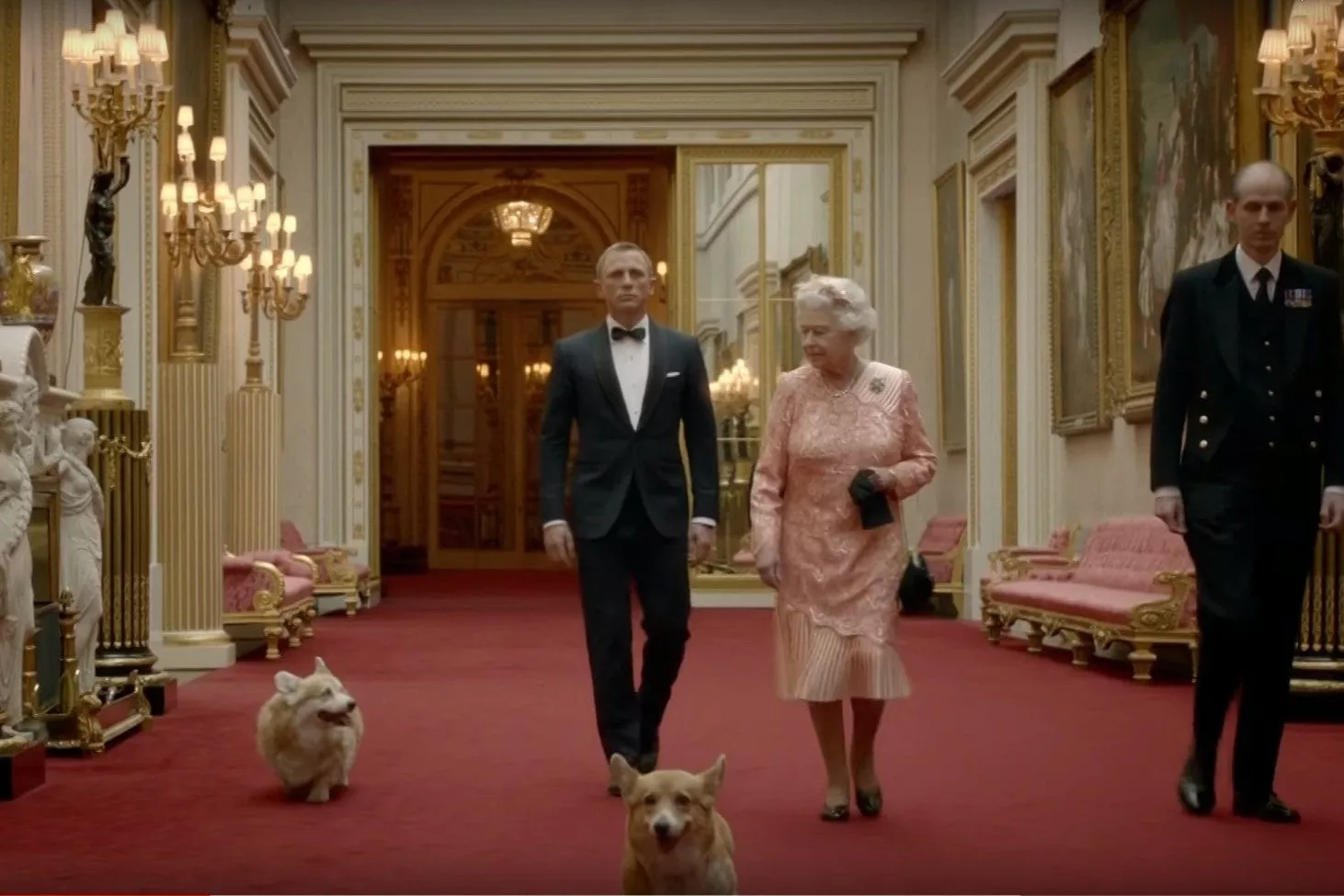
Queen Elizabeth II was known for her love of dogs and especially adored corgis. During her long life, she owned more than thirty corgis and “dorgis” (a mix of corgi and dachshund). Elizabeth’s dogs had their own room at Buckingham Palace, slept in wicker baskets on stands to avoid draughts, and were supervised by the Queen herself. They were fed meals prepared by the palace chef. Not bad, is it?
Elizabeth’s dogs have been in the news again recently: after her death, her corgis Muick and Sandy were taken over by Sarah Ferguson, Prince Andrew’s ex-wife (they still live together). The current owner claims that the spirit of the late Queen communicates with her through the dogs. One can only imagine the difficult conversations that take place “on the other side of the airwaves,” given Prince Andrew’s current situation.
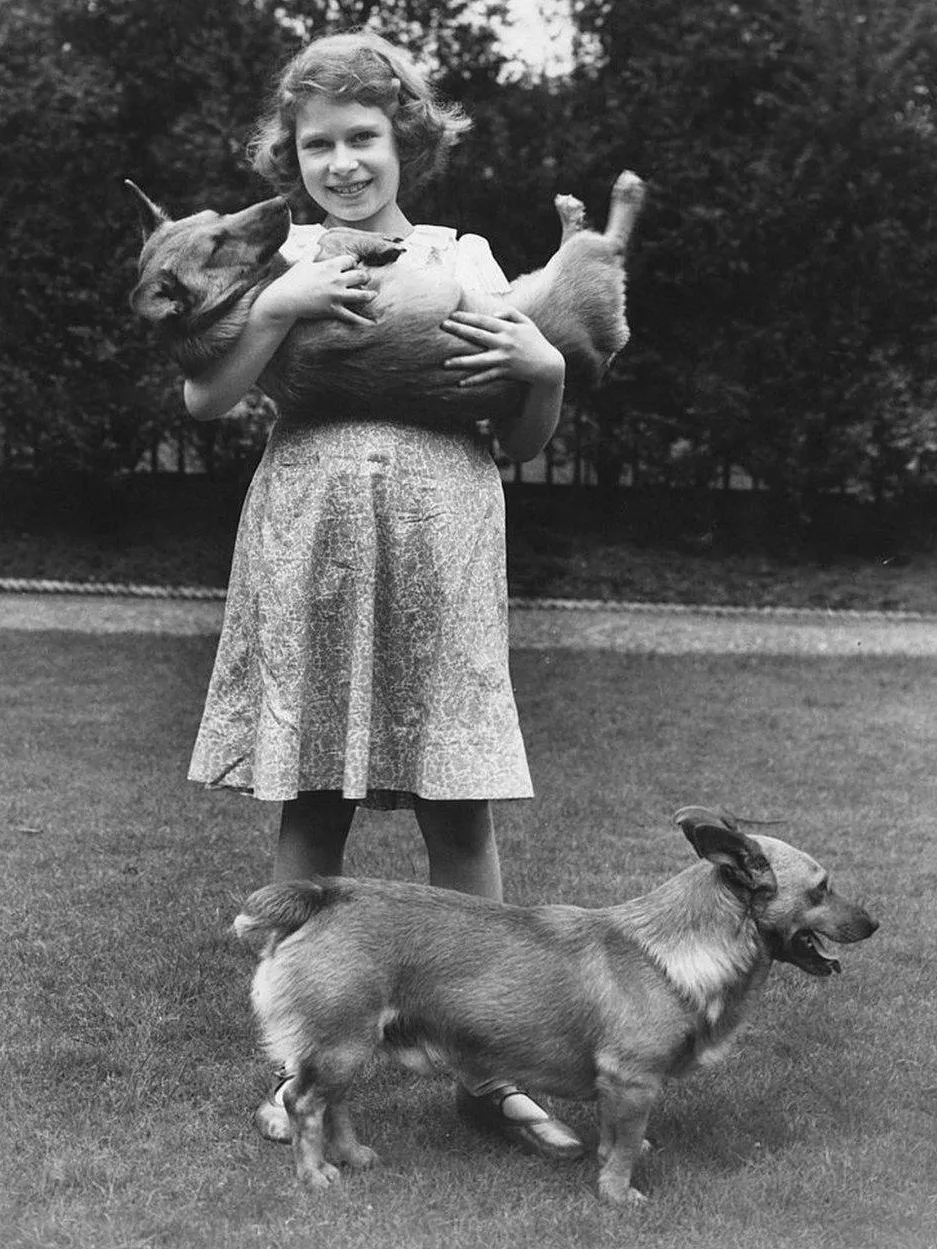
Princess Elizabeth received her first corgi named Susan as an 18th birthday present in 1944, although George VI had kept corgis since she was a child. Until 2018, all of the Queen’s more than thirty dogs descended from Susan. For decades, the British press told stories about royal corgis, showing a different side of the monarch – without the pageantry. As a result, the breed became a national symbol. At the opening of the London Olympics in 2012, director Danny Boyle made a short movie about the Queen’s meeting with James Bond (played by Daniel Craig), in which corgis played a prominent role.
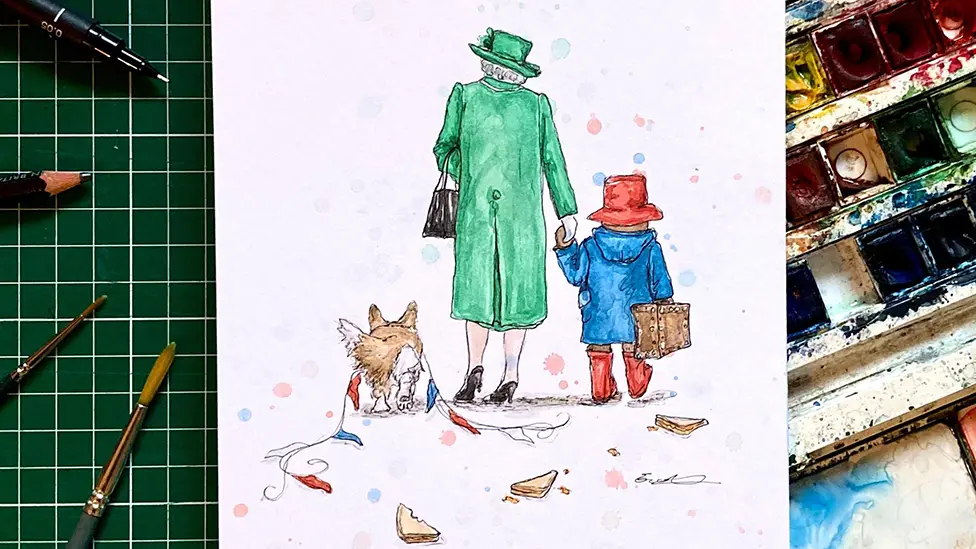
Artist Eleanor Tomlinson’s illustration of the Queen, Paddington Bear and a corgi, created for the Platinum Jubilee in 2022, became a viral tribute image after her death the same year.
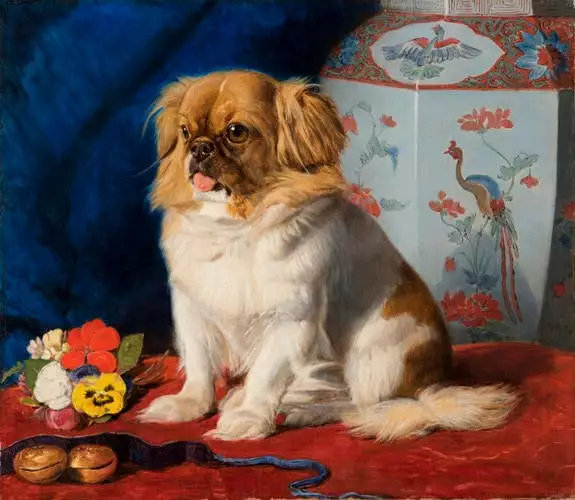
Elizabeth II was not the first British monarch to be closely associated with dogs. Charles II loved little spaniels so much that the Cavalier King Charles Spaniel breed was later named in his honor. His dogs were said to have followed him everywhere, even to Parliament. However, the most famous dog person after Charles II was Queen Victoria. She had dogs of various breeds – collies, dachshunds, pugs – but her most famous favorite came to her in a very dubious way. In 1860, during the Second Opium War, British and French troops entered Beijing. The emperor fled from the Summer Palace, leaving his dogs at court – five Pekingese, which were taken to Britain as a war trophy. One dog was presented to Queen Victoria, who named it Looty. This breed had never been seen in Europe before and, as more Pekingese were imported towards the end of the 19th century, it quickly became fashionable among the aristocracy. A portrait of Looty is kept in the Royal Collection.
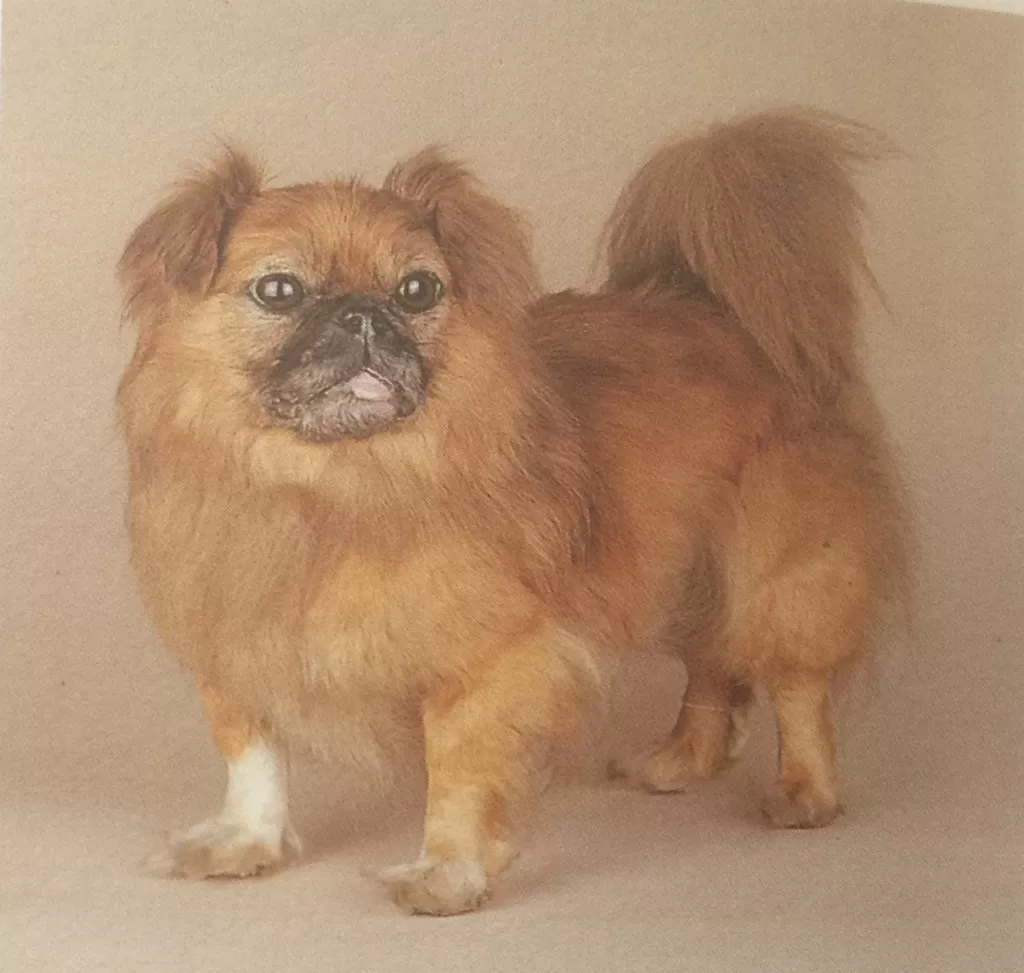
And at the Natural History Museum in Tring you can see a stuffed Pekingese named Ah Cum, which was smuggled out of China by a British diplomat in 1896. This dog became one of the founding breeds in Britain.
King Charles III and Queen Camilla continue the tradition of keeping dogs. In 2011, Camilla took in two Jack Russell Terriers, Beth and Bluebell, from the Battersea shelter. She is a trustee of this organization. In 2022, the dogs were featured on the cover of Country Life magazine.
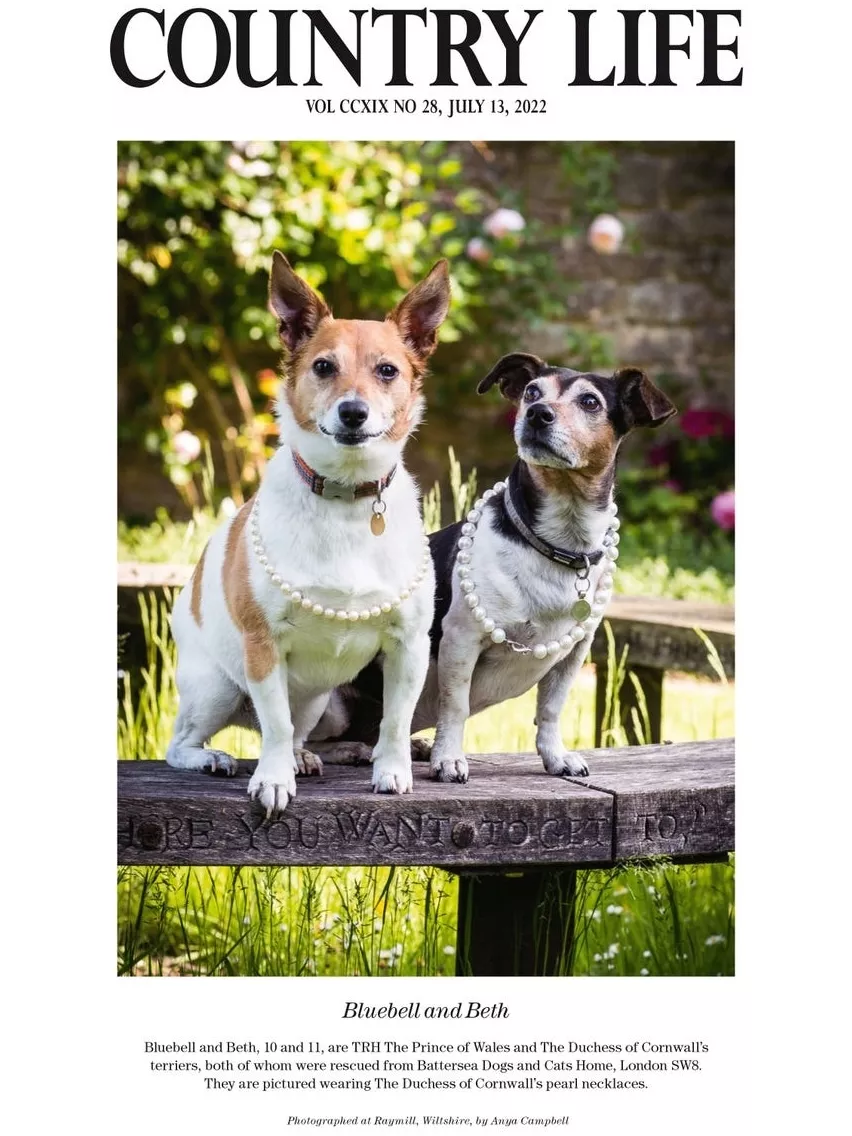
Earlier this year, Camilla adopted another dog, a Jack Russell mestizo from the same Battersea, and the king received a lagotto romagnolo as a gift. For now, corgis hold the title of the most royal breed, but we’ll see if the monarchs’ new pets take it over. And the fact that Queen Camilla took her dogs from a shelter could be a real example.