 Loading...
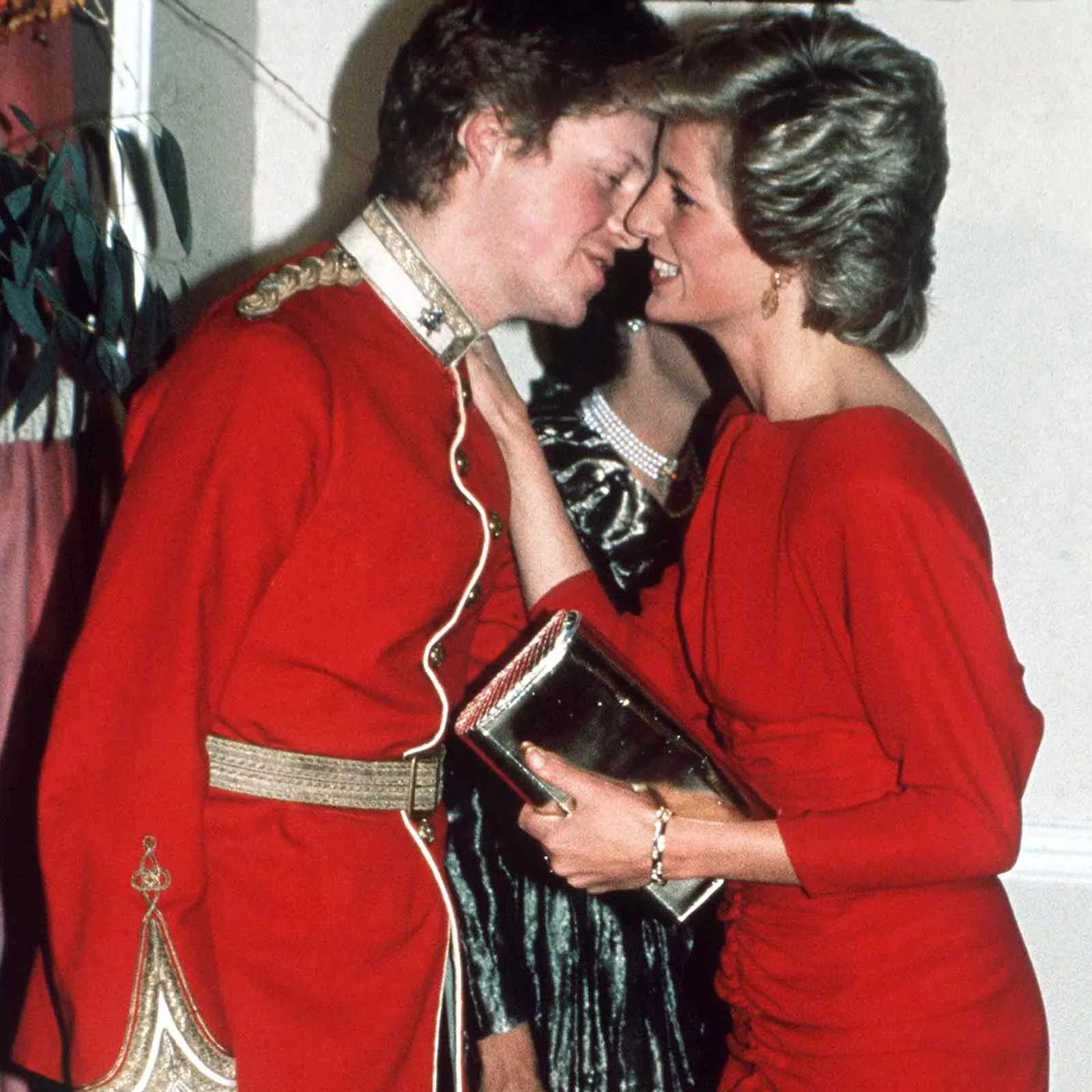
He got new teeth. And he’d lost a noticeable amount of weight. Somehow, that Spencer-like chubby-cheeked look had suddenly vanished. But his essence remained: the attentive gaze of his round, saucer-like gray eyes. Gray hair.
“Neither of my parents lived to be seventy, and I’m already over sixty,” he’ll say in a major interview with BBC correspondent Laura Quensberg. “I don’t have that much time left.”
The simplest way to view his book *SWAN SONG. DIANA MY SISTER* is as a book of revenge. A brother stood up for his sister. A hereditary aristocrat hurled his accusations in the face of the British monarchy to settle the score once and for all.
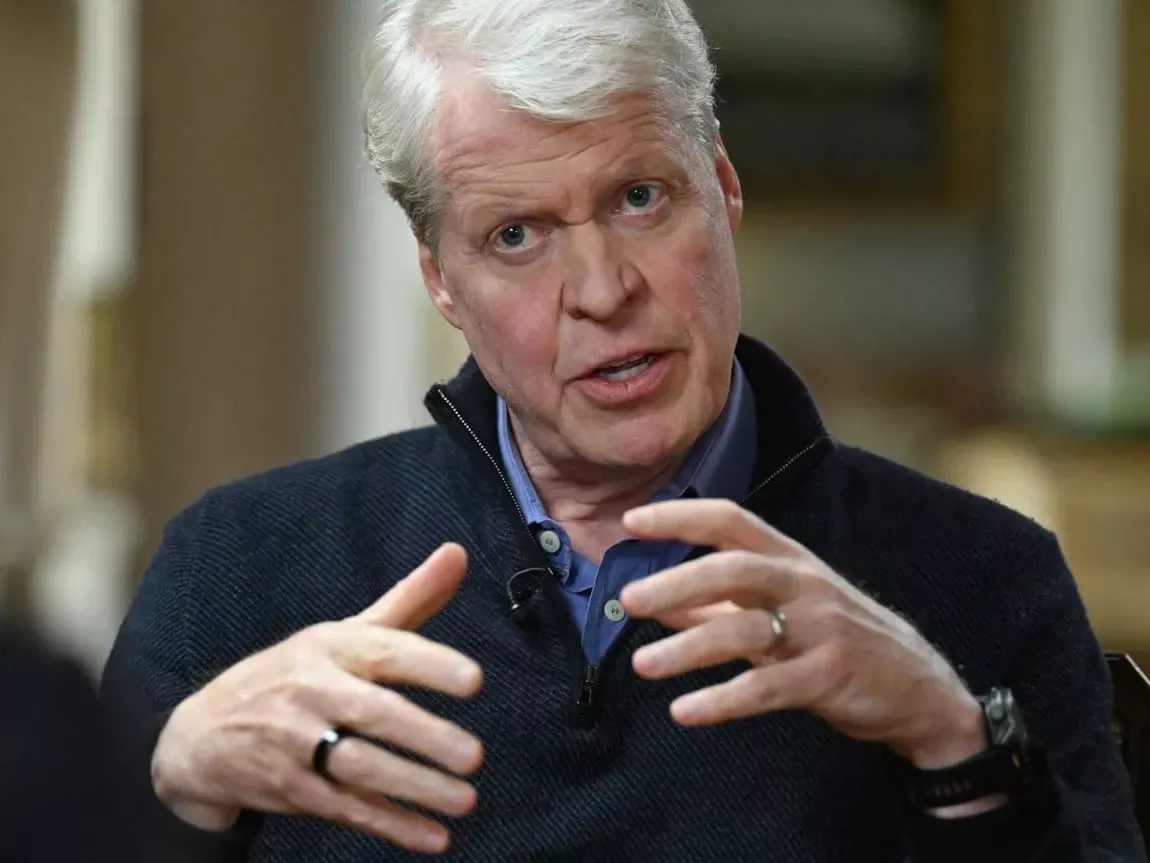
The book turned out to be quite substantial, but so far everything revolves around just a few episodes. Did the king—then Crown Prince Charles—say, “Everyone will soon forget her,” on the eve of Diana’s funeral? Is it true that he was as excited as “someone who had won the lottery” (to quote the source) when he spoke about Diana’s death?
There’s no proof, no documents—even though the first thing every journalist did was press the count for answers: Did he keep a diary? Were there any witnesses left? Spencer answered evasively, but firmly. He said, “I’d stake my life on everything in this book.” Not a word of fiction. But I’m not going to bother with fact-checking either. That’s not the count’s business! If you don’t believe it, don’t read it.
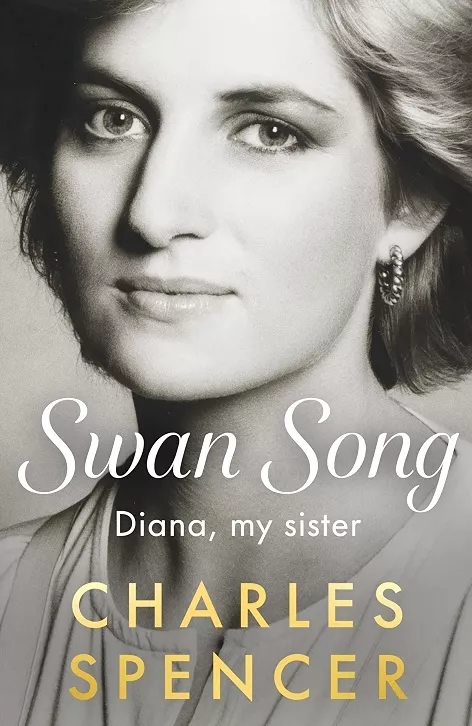
It’s already clear that his book is the biggest sensation of the season. News that four (!) books were stolen while being transported from the Netherlands has appeared in many of today’s news reports. And this is despite the fact that the body of literature about the late princess is truly vast, spanning every language in the world, and the flow of it has not dried up for the past 29 years.
In fact, the Princess Diana phenomenon represents the pinnacle of the so-called celebrity pop culture of the 1980s and 1990s.
Her entire story, from beginning to end, was orchestrated by the media. From her very first appearance as a shy young nanny at a prestigious preschool, the fiancée of the Prince of Wales, right up to the final moments when she and her Arab lover tried to escape the paparazzi chasing her, — this is the story of one of the greatest love affairs of the 20th century, a fateful romance between a global celebrity and the global media.
Every man kills the thing he loves.
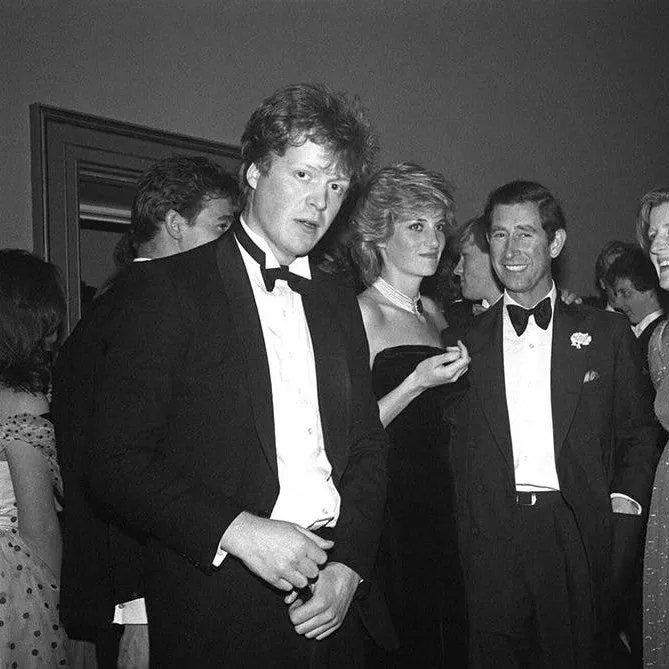
I suppose the actress had been living inside her all these years. She longed to play a major, dignified role. It was important to her to be seen and heard even from the back rows of the gallery. She felt stifled and suffocated by the strict constraints of royal protocol, which she constantly broke in order to elicit even more applause, ovations, and sympathy.
Every morning she began by meticulously scrutinizing her photos in the tabloids (Instagram didn’t exist back then), and she ended the day well past midnight by handwriting thank-you letters. The neat handwriting of a persistent C student who had given up hope of ever becoming an A student. She enjoyed manipulating public opinion through intermediaries. She relished the image of a victim—one she had largely invented herself and implanted in the minds of millions: a victim of an unhappy childhood, of a conspiracy among adults who chose her to be the prince’s wife, a victim of the cold, callous royal family, and of her husband’s selfishness and lack of love…
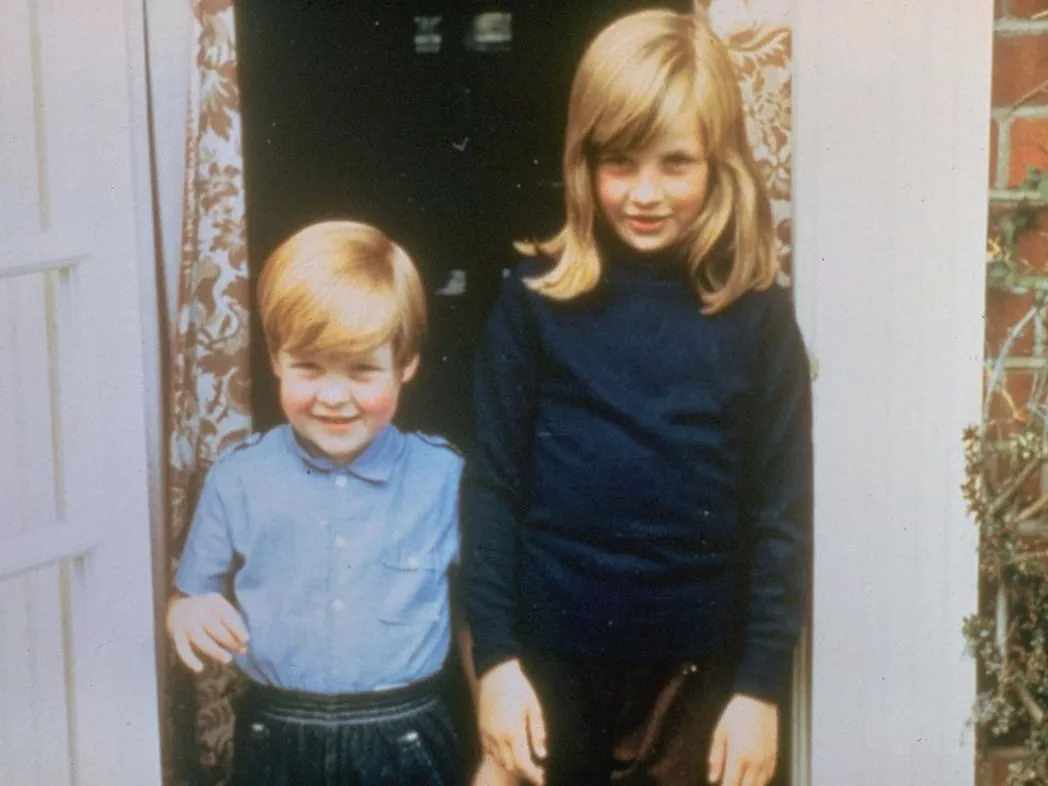
In his book, my brother argues as best he can: his childhood was warm and cozy, and his father adored Diana and indulged her in everything. Yes, his sister, who was nine when their parents divorced, suffered from the absence of her mother, but he wouldn’t go so far as to exaggerate the scale of that drama. After all, there were plenty of good things, too.
It’s just that Diana was a natural-born drama queen. There’s a certain type of woman who has a knack for turning everything into a spectacle, living her life like a melodrama in full view of everyone. And that’s a real gift for any media outlet. Melodrama “hits the spot” and sells much better than any honest, boring news. Who’s really that interested in the unyielding Princess Anne, the king’s sister, with her 500 official engagements a year and the African children she saves from starvation?
Show the public a close-up of Diana looking distressed as she shakes the hand of someone terminally ill with AIDS. And take note—without any gloves! A princess without gloves—yet another breach of protocol. Yet another challenge to royal protocol. At some point, this would become something of an obsession for her. While her illustrious relatives were sipping tea at Balmoral, she was addressing the plight of the homeless and the sick. While they were smelling roses at the Chelsea Flower Show, she was walking through minefields in Angola, and then, at a press conference, she called on her own government to ban the production of anti-personnel mines.
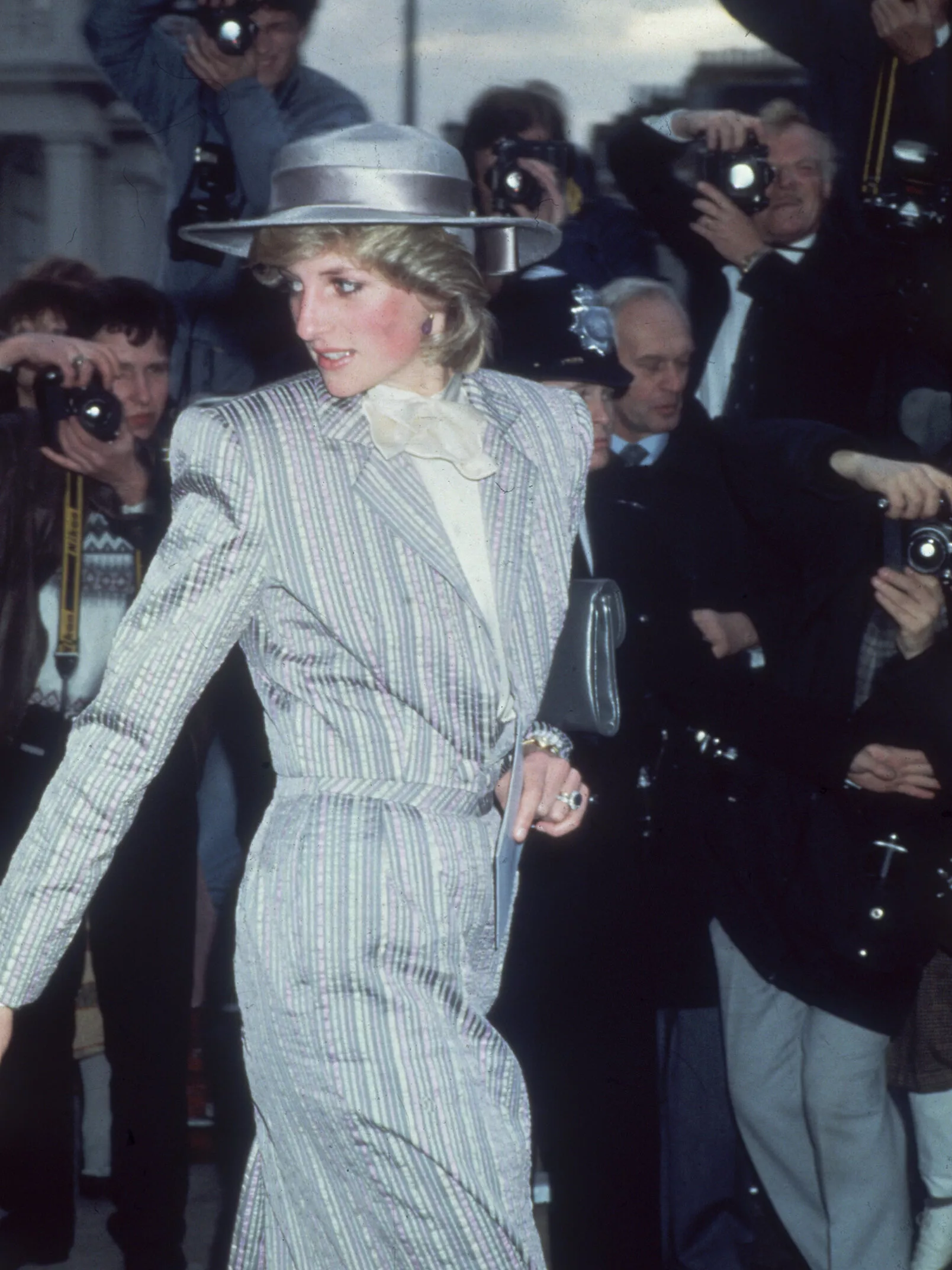
Before our very eyes, she transformed from a victim princess into a warrior princess. And that role suited her even better. For the first time, we heard words from Diana’s lips that members of the royal family had never uttered before: bulimia, postpartum depression, anorexia, marital infidelity, divorce. Without even realizing it, she tore down the bolts and locks, throwing open the sealed doors to the lives of countless women who, following her example, were able to speak about these issues without feeling a false sense of shame or inadequacy.
Of course, she didn’t start her affair with the press just for the fun of it. The man she pursued so passionately and persistently—the one she most wanted to impress and captivate—remained cold and was in love with another woman. But the fact is, Prince Charles had honestly warned her of this from the very beginning. And her brother writes about her conversation with her father on the eve of the historic wedding. But neither the Earl of Spencer nor his daughter had the courage to call the whole thing off.
But even in her most recent interview—which, as it now turns out, she was tricked into giving—she made no secret of the fact that she still loves her husband. And in all her answers, in all her aggrieved complaints and naive hopes, one can hear the hidden message: “I love Charles… I love my husband… Let him know that I’m unhappy.”
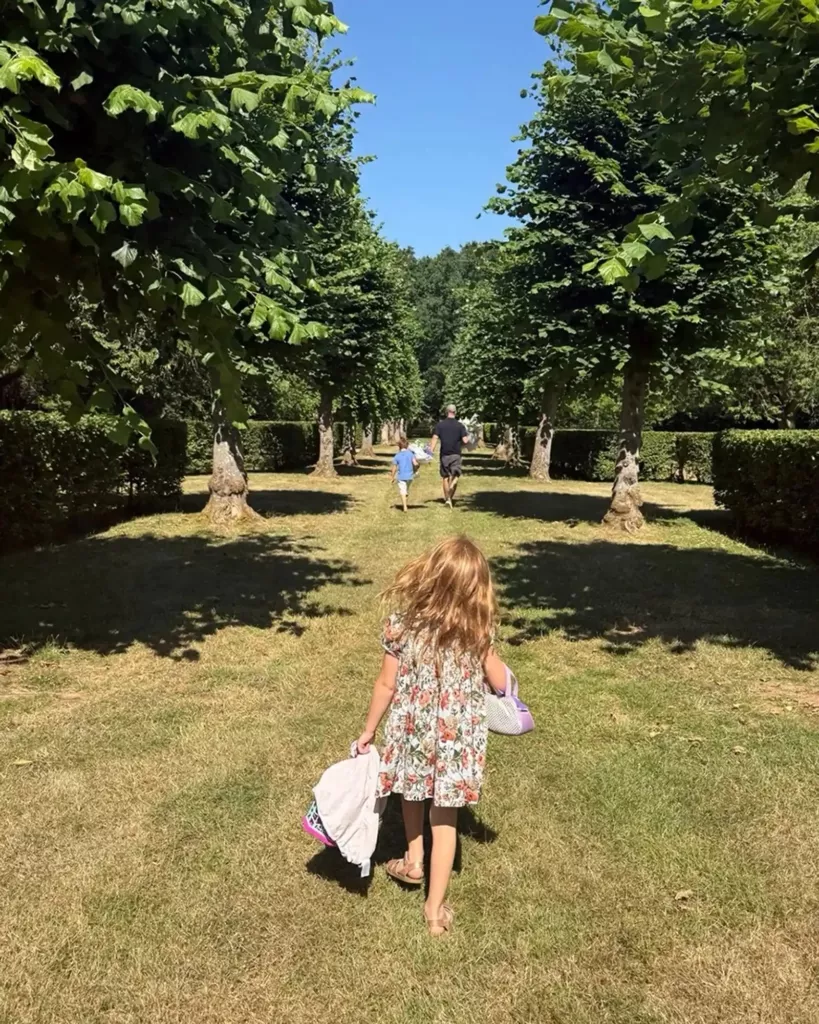
… This summer, a photo flashed across Instagram: little Lilibet, the daughter of Meghan and Harry, the Duke and Duchess of Sussex, striding cheerfully across the scorched grass of Althorp toward her grandmother Diana’s grave. Her mother took the photo, for which she was immediately criticized. People said it’s unacceptable to snap photos with an iPhone in such a sacred place and then post them for everyone to see. Personally, I don’t see anything terribly wrong with that. On the contrary, Diana’s legacy lives on. People talk about her, remember her, and argue about her. Because of her, people settle scores as if she were still alive. And people even steal books with her beautiful portrait on the cover. And Diana always cared deeply about how she looked. Her brother’s book is, first and foremost, a message to her personally—an attempt to explain himself and ask for forgiveness for everything that happened and everything that didn’t. Today, the book is on display in all of London’s bookstores. Reviews and legal proceedings are expected in the near future. British journalist and TV host Piers Morgan was one of the first to voice his complaints. I have no doubt that others will follow suit. So this “Drama Queen” is sure to have a sequel.