 Loading...
Kensington, Chelsea
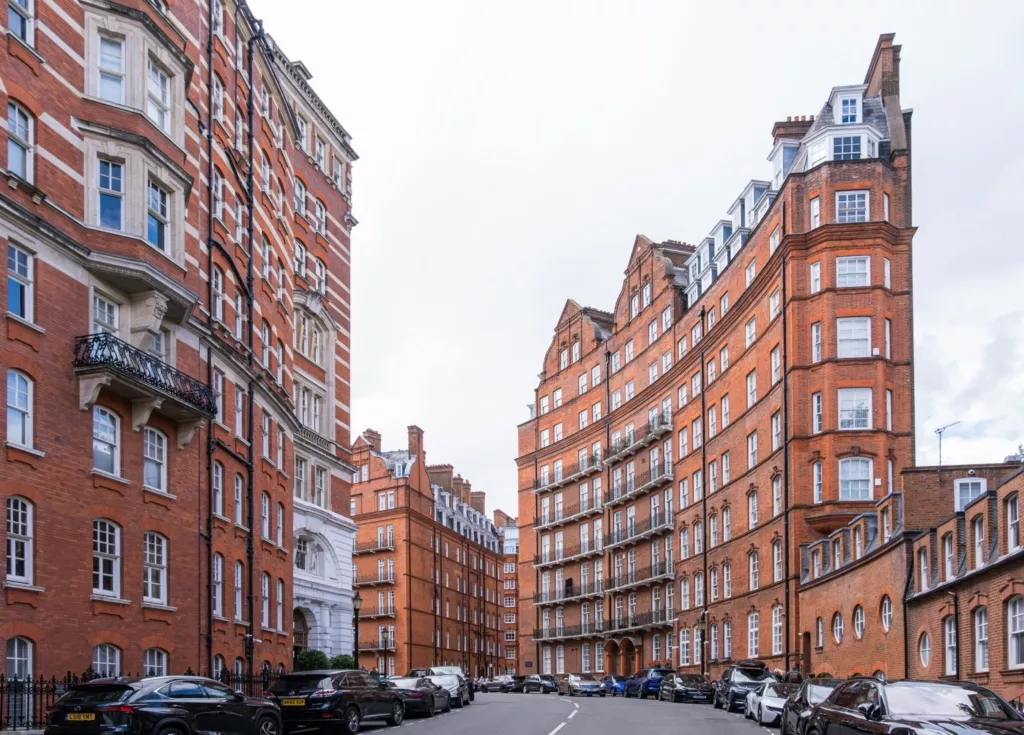
Chelsea and Kensington are neighborhoods straight out of a travel guide. First-time visitors to London often imagine the city exactly like this: stately, snow-white houses with columns at the front doors or majestic Georgian brick mansions, large parks, the world’s finest museums and concert halls, and, of course, endless castles and royal residences.
In the 17th century, Chelsea was known as a “village of palaces”: here, vegetable gardens coexisted harmoniously alongside the estates, supplying food to nearby Central London. It took two centuries for Chelsea to fully join the ranks of elite Western London neighborhoods: the 19th-century construction boom left no room for local marketplaces, let alone vegetable plots; amusement gardens such as Cremorn Gardens opened along the formerly industrial banks of the Thames. And by the middle of the century, Chelsea had become a favorite neighborhood of London’s bohemian crowd.
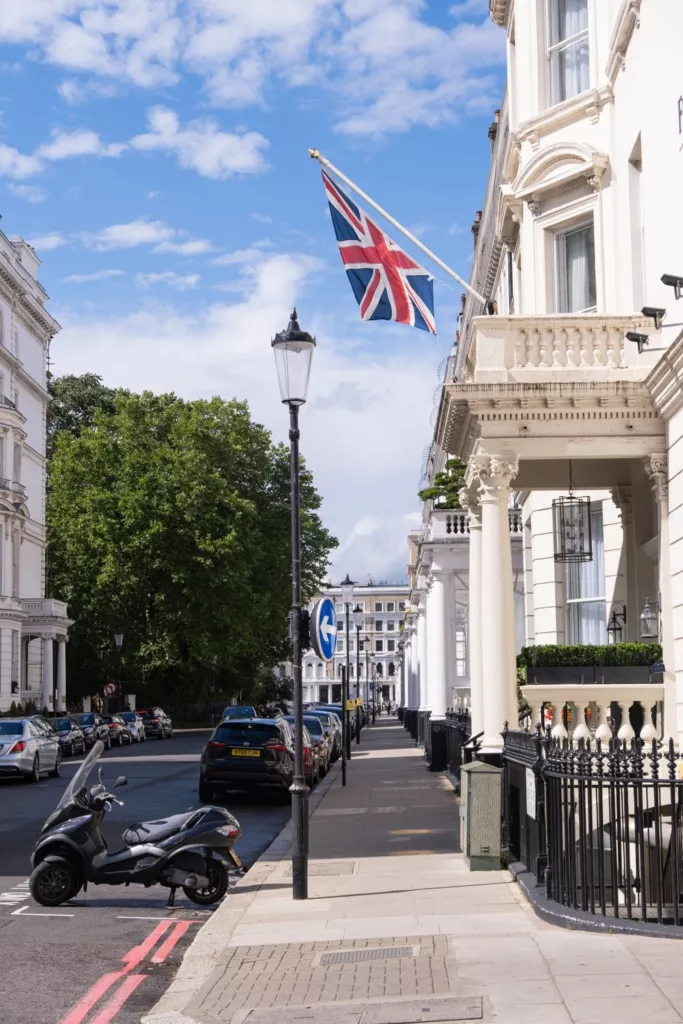
The area was most profoundly transformed by the 1851 World’s Fair, held under the patronage of Prince Albert, Queen Victoria’s husband. Over the course of several months, six million people visited the festival in Hyde Park, and Queen Victoria herself attended the exhibition more than once (three times, to be precise: once with her family and more than 30 times on her own). The £186,000 raised (approximately £33 million in today’s money) was invested in the creation of the Victoria and Albert Museum, the Natural History Museum, and the Science Museum. And a century later, the swinging London of the 1960s was already in full swing here, and musicians from The Beatles and The Rolling Stones were taking up residence on the local streets.
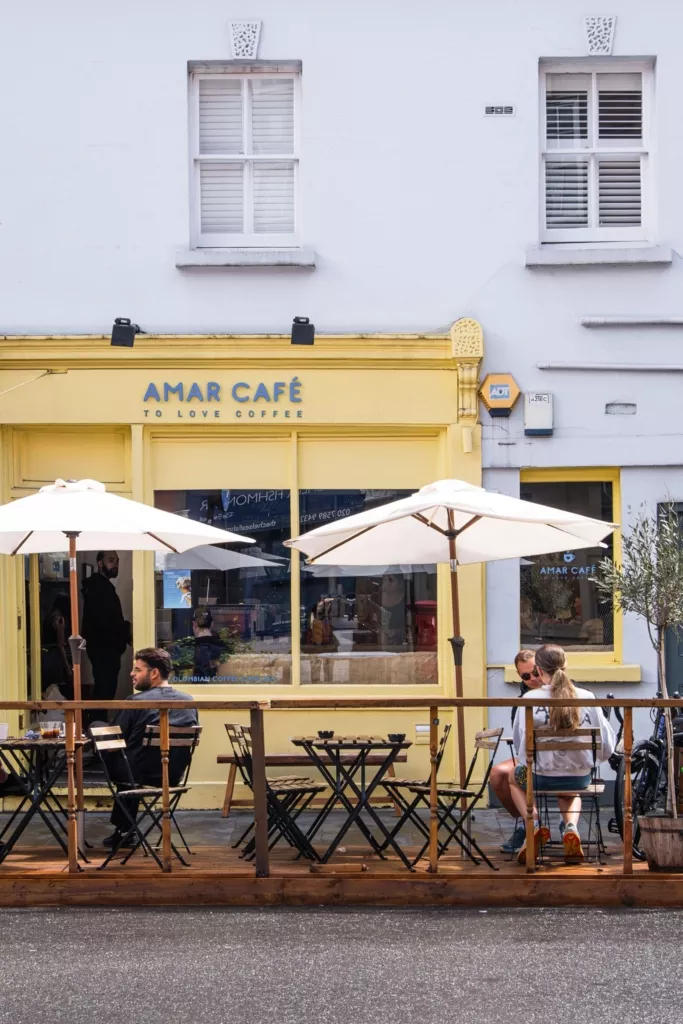
Amid all this cultural and tourist buzz, it’s easy to forget that Chelsea and Kensington are, in fact, primarily residential neighborhoods. On weekends, the small coffee shops are packed with locals having breakfast rather than tourists. When the weather is nice, many establishments set up tables on the street, which only reinforces the neighborhood’s resemblance to French boulevards. Kensington itself is jokingly referred to as the 21st arrondissement of Paris—thanks to its large French community and their conviction that only here, and nowhere else in London, can you find decent croissants.
- What to See
This concentrated slice of the Victorian era on a small patch of land south of Kensington Gardens attracts tourists, but even Londoners find something new to marvel at here all the time. Albertopolis, established under the influence of and in memory of Prince Albert, brings together a trio of museums, the Albert Hall concert hall, and several royal institutions—an ideal blend of science and art.
- Where to grab a bite to eat
The cult of Princess Diana in London will likely never fade, so we recommend checking out her favorite restaurants right near the royal residence—Kensington Palace. Da Mario serves delicious pizza and pasta; Launceston Place combines French and British cuisine; and at Bombay Brasserie, not only the princess but also Mick Jagger and Freddie Mercury used to stop by for curry dinners.
Knightsbridge, Belgravia, Pimlico
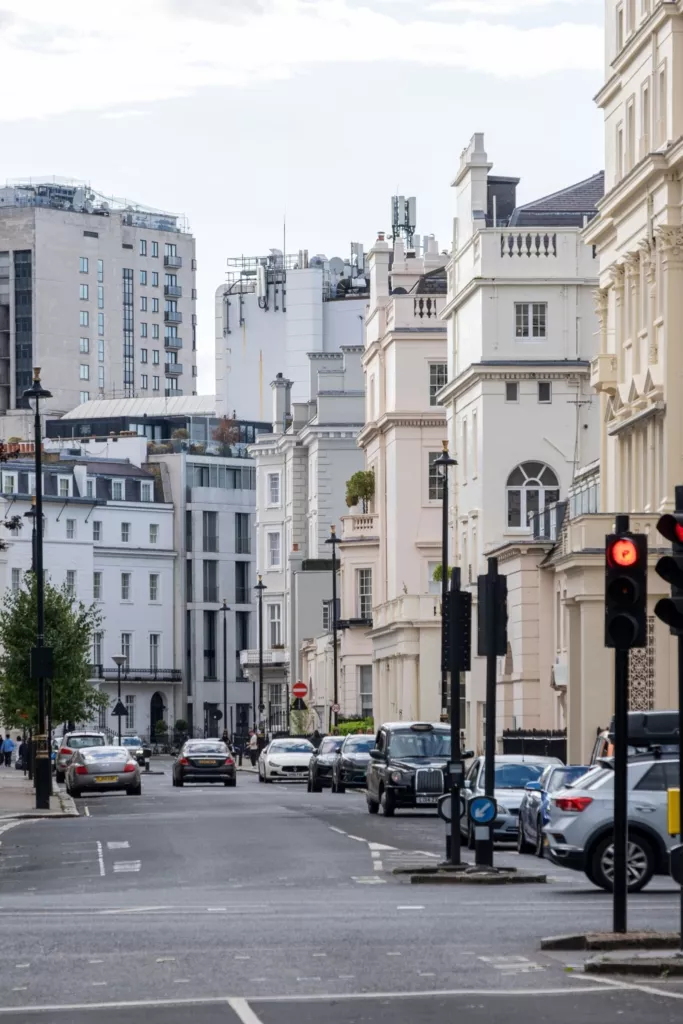
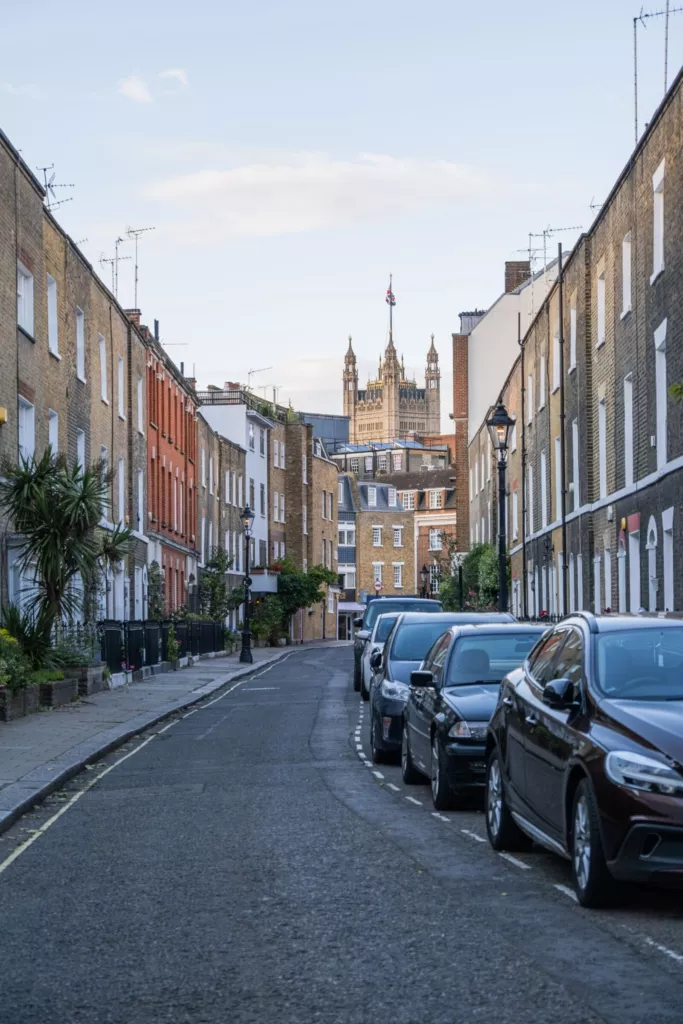
If Belgravia, Pimlico, and Knightsbridge had a common coat of arms, the following motto (fictional, of course, but very accurately characterizing the area) might be inscribed along its lower border in ornate cursive: “Expensive, opulent—and the very best.”
This trio grew up bathed in the warm glow of the English monarchy. When George III moved into Buckingham Palace, the area to the west of it underwent a systematic redevelopment. The city’s chief architect at the time, Thomas Cubitt (incidentally, an ancestor of Queen Camilla), laid out a grid of streets intersecting at right angles, transforming this part of London into a neat, orderly grid. The only thing breaking up the straight lines of the streets is the winding railroad track from Victoria Station, and the largest blocks are home to lush private gardens like Eton Square.
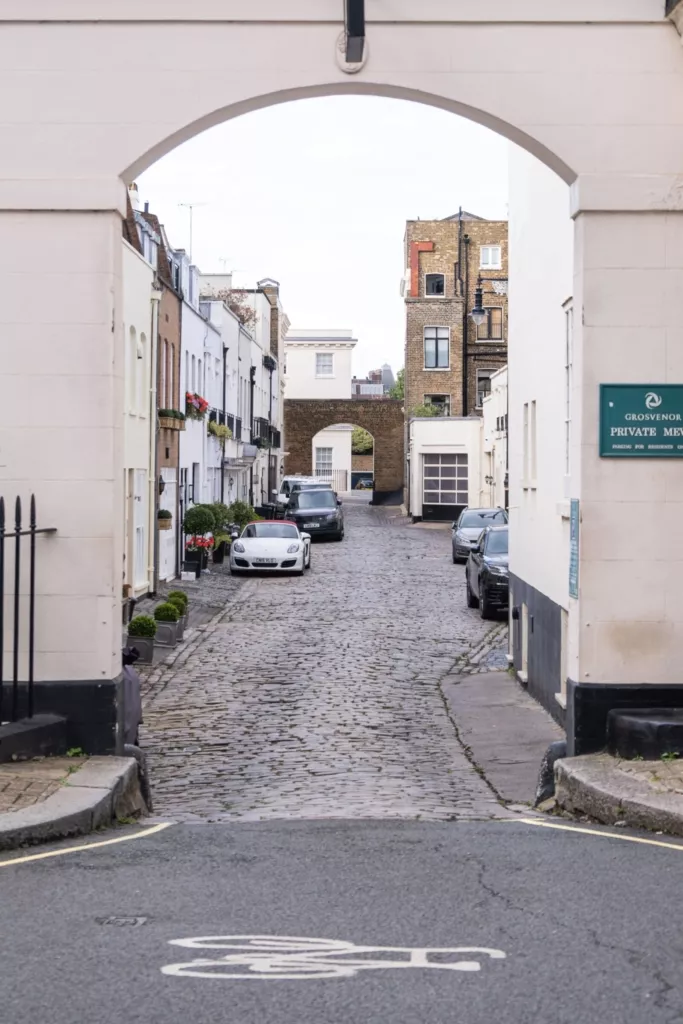
The geographical proximity of Belgravia and Pimlico to the palace and Parliament could not help but influence the demographics: politicians and the cream of London’s aristocracy have always made their homes here. For example, the former homes of Margaret Thatcher and Lord Mountbatten (Prince Philip’s uncle) are less than a kilometer apart. Also, James Bond creator Ian Fleming and Sean Connery, one of the most iconic actors to portray Agent 007 on screen, lived in the neighborhood at different times.
That said, the neighborhood has changed significantly over the past few decades. The wealthy residents in their snow-white mansions have been replaced by staff from embassies, charitable organizations, and government agencies. Today, it’s quiet here, but not boring—after all, Knightsbridge, further north, is still teeming with restaurants and shops.
And its proximity to the palace now attracts not so much the English elite as the global elite. Salespeople at Harrods speak every language imaginable, and in the evenings, sports cars with license plates from all corners of the globe speed down bustling Brompton Road. And at the tables of local establishments, special dishes are served—always with an original presentation, an elaborate recipe, or a blend of culinary traditions. Expensive, opulent—and the very best.
- What to See
In a neighborhood famous for shopping, you can’t help but notice the stores. There are hundreds of boutiques here, but we recommend taking a stroll down Pavilion Road—a pedestrian street lined with numerous outlets featuring well-known brands.
- Where to grab a bite to eat
If you’re up for an unexpected dinner, make a reservation at Hunan. This Chinese restaurant doesn’t have a menu: you tell the server which ingredients you don’t want in your dishes and specify how spicy you’d like your food to be—that’s it. Then you just wait to see what the chef has in store for you.
Central London
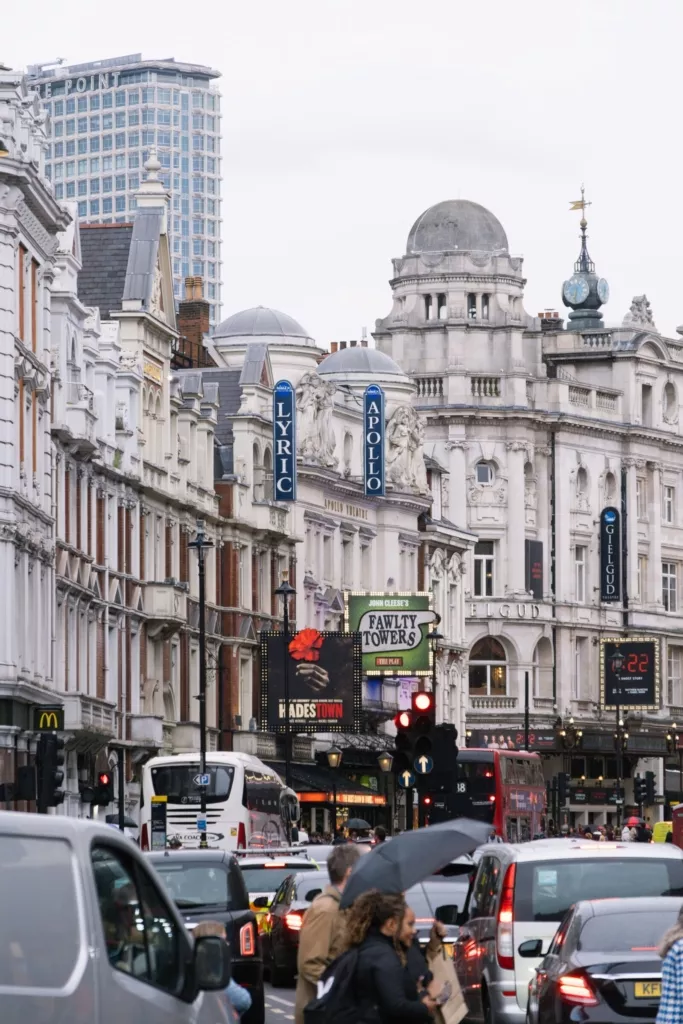
Central London offers the highest concentration of the attractions listed in guidebooks. Palaces, museums, theaters, restaurants, parks—everything typically associated with this city is located here. And it could take a lifetime to thoroughly explore all the sights.
What makes it all the more interesting is that Buckingham Palace or Covent Garden are by no means the historic center of London. For centuries, the city bustled to the east of here, in what is now the City of London. In Westminster, however, London’s aristocracy gradually settled in layers: further upstream along the muddy Thames and far from the smoking factories of the east; in neighborhoods with more spacious development, where it was possible to build mansions with high ceilings and wide backyards that doubled as parks. The result was a majestic and somewhat picture-postcard-perfect London. It’s fascinating to peek into the windows of the local gentlemen’s clubs, but getting inside isn’t easy, and the shop windows and theater posters can be bewildering in their diversity.
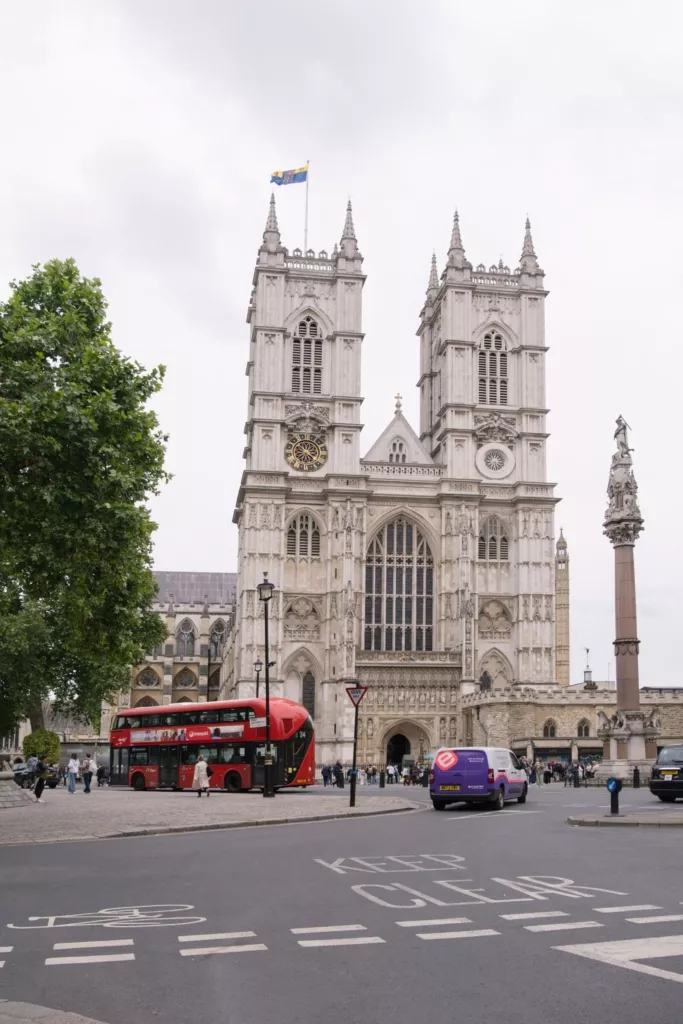
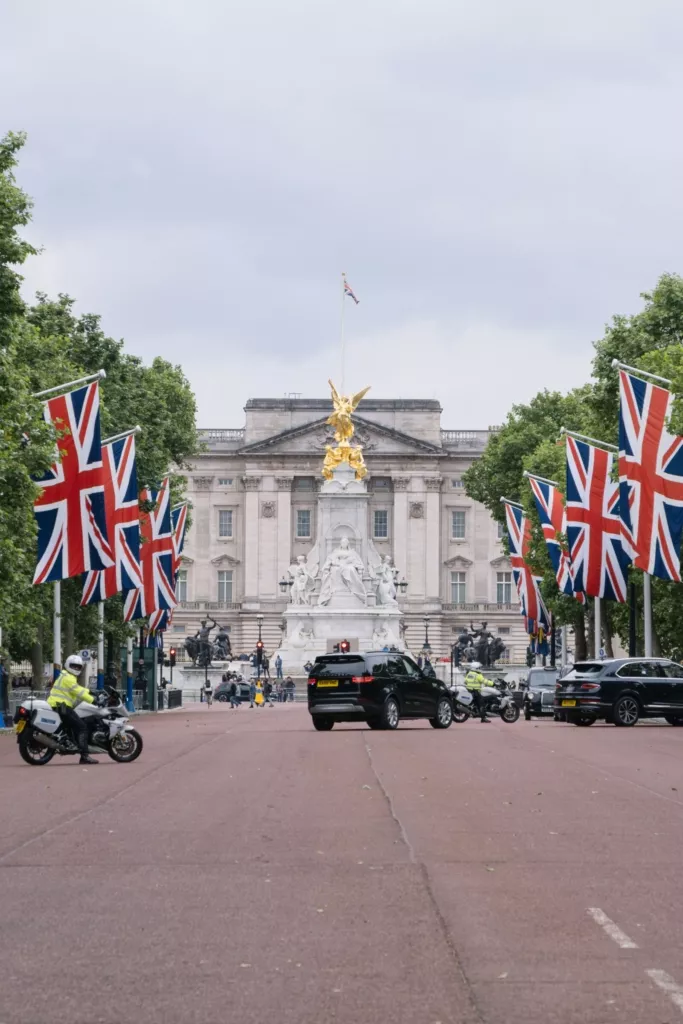
The sheer abundance of everything all at once can be overwhelming. That’s why it’s important to explore Westminster gradually, like the paths of a maze. The large, bustling, and vibrant Regent Street and Piccadilly Circus will overwhelm all your senses at once, but if you turn down into the nearby side streets, you’ll discover another layer of the city—an almost secret hidden side of Central London. Hidden away in Mayfair is the cozy Shepherd’s Market, with its pubs and restaurants. The streets with the best coffee shops radiate out from Seven Dials, a three-minute walk from Covent Garden. And even the party-filled SoHo offers a chance to catch your breath in the quiet Soho Square Garden.
The central districts best embody a phrase spoken in the 18th century by the writer Samuel Johnson: “If you’re tired of London, you’re tired of life, because in London you’ll find everything life has to offer.” The key is simply knowing how to choose wisely from what’s on offer.
- What to See
When the crowds of tourists around the palaces and museums start to make your head spin, escape to Green Park or St. James’s Park. And for the evening, plan a trip to one of the West End theaters: there are musicals, dramas, and comedies to suit every taste.
- Where to grab a bite to eat
Of course, at the ZIMA restaurant right in the heart of SoHo.
Marylebone, Fitzrovia, Bloomsbury
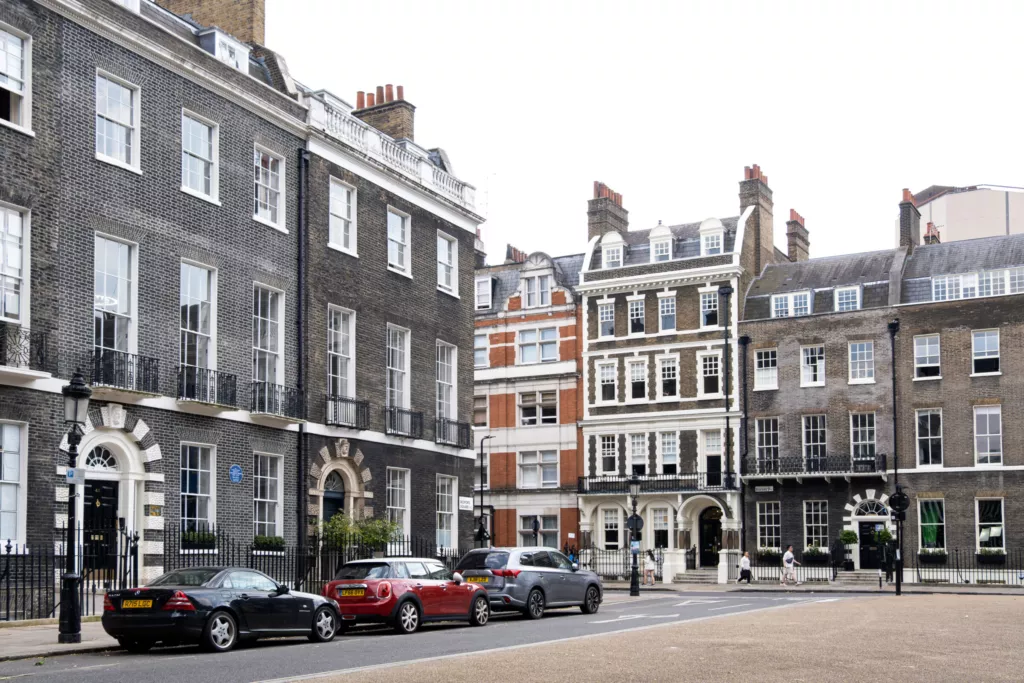
The neighborhoods north of Oxford Street offer everything that makes Central London so appealing, but without the frantic pace caused by tourists who are always rushing somewhere. For centuries, affluent city dwellers have moved here, seeking to live within walking distance of all the popular spots but unwilling to put up with the daily noise of crowds right outside their windows.
All three neighborhoods are similar in this respect. But each has its own unique characteristics. For example, Fitzrovia is often called an “urban village,” and the weekend farmers’ markets held here only reinforce that impression.
Marylebone (which, incidentally, is home to the BBC’s London headquarters) has always been among the most innovative neighborhoods, ready to implement architectural ideas relevant to their time, so the local architecture includes true gems from both the 18th and 19th centuries. Bloomsbury, meanwhile, has a reputation as London’s most cultured neighborhood: it is home to the University of London and University College London, as well as the British Museum. It’s no surprise that intellectuals have always been drawn here: Charles Darwin, Charles Dickens, Virginia Woolf, and even Vladimir Lenin—all lived here (Lenin, admittedly, for only a few months in 1908).
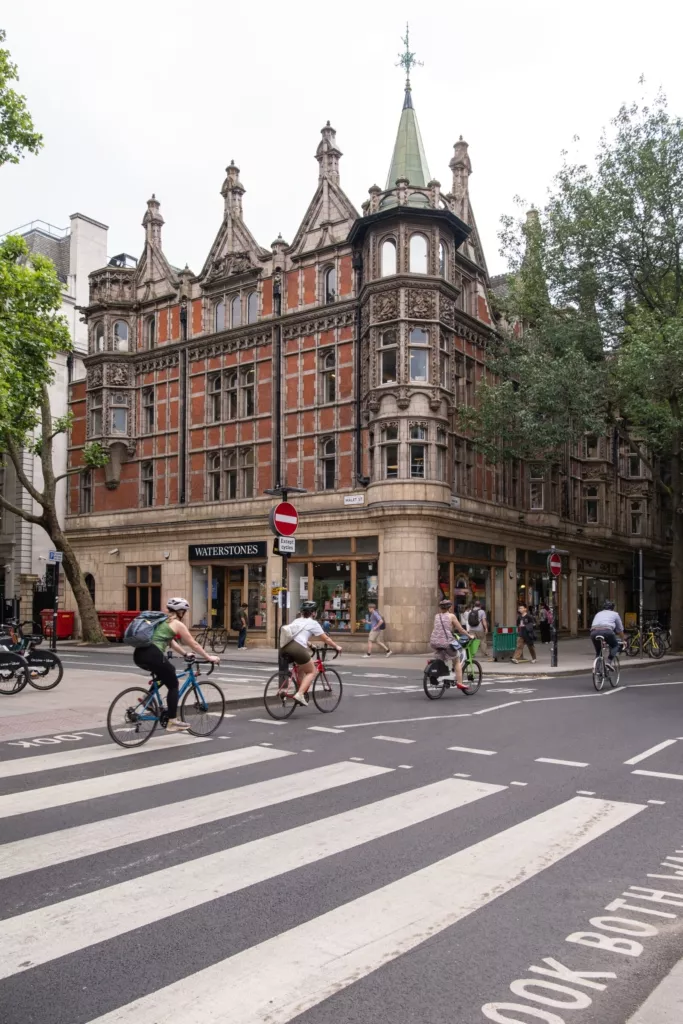
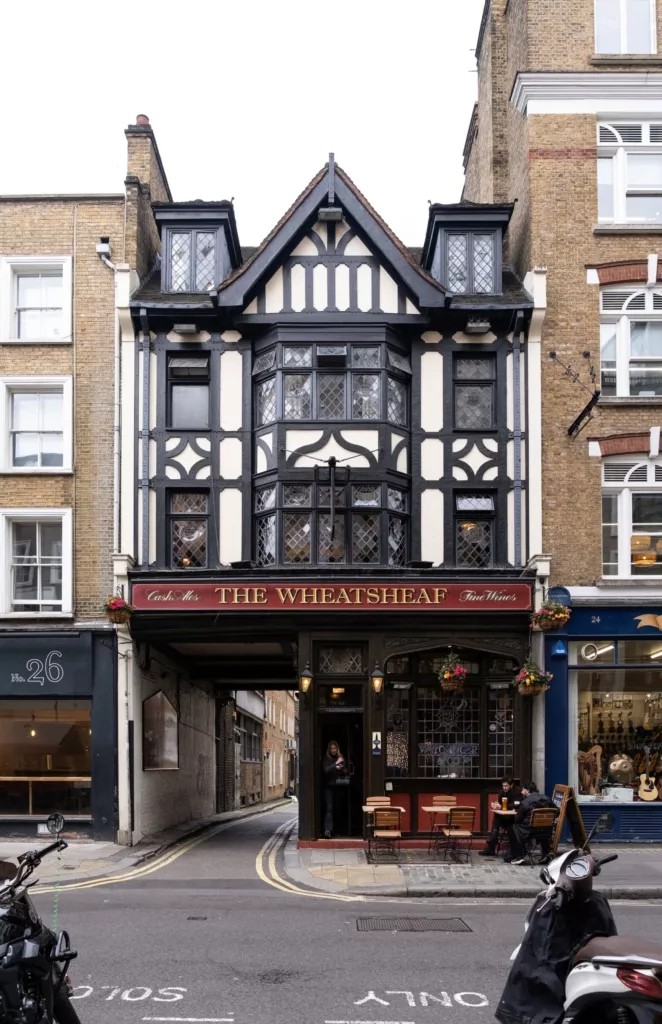
There are just as many restaurants, shops, and museums here as there are in Covent Garden or SoHo, but life is more laid-back, and the grid-like street layout adds to the sense of tranquility and is easy on the nerves. You don’t have to search for hidden side streets to find a pleasant family-friendly restaurant, a coffee shop with invigorating coffee, or an independent bookstore—they’re all right out in the open, and sometimes, like the tables on summer patios, literally right on the sidewalk.
- What to See
The unique independent bookstore Daunt Books specializes in fiction and travel guides. It’s sometimes a real pleasure to get lost among the bookshelves in this building from the 1910s.
- Where to grab a bite to eat
At The Coral Room, a bar that will transport you a century back in time to the luxurious atmosphere of the Art Deco era, you’ll find delicious cocktails. And for those who prefer non-alcoholic drinks, we recommend The Attendant—a coffee shop converted from a beautiful Victorian public restroom.
City of London
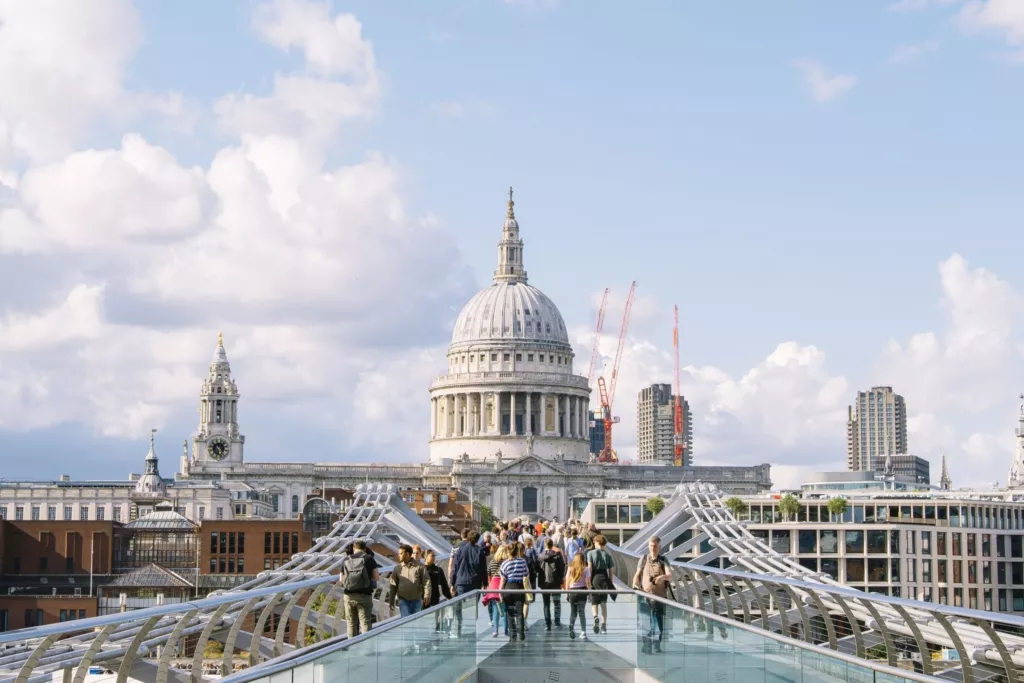
Two thousand years ago, London was founded right here, in what is now a realm of skyscrapers and within the “Golden Mile”—a tiny area by today’s standards. The City is perhaps the most remarkable neighborhood in the city. And yet, formally speaking, it isn’t even part of London, being a unique administrative unit with its own laws, police force, and even a Lord Mayor.
For centuries, the city has been reborn within these very boundaries, and the history rooted deep within the City lies in the details. The numerous gates on the map—Moorgate, Bishopsgate, and Aldgate—are ancient entrances and exits in the city’s fortified wall, and the major roads leading into the area are now guarded by the silver dragons from the City’s coat of arms. The street grid itself weaves frantically between the skyscrapers. It’s not the ruler-straight lines of Marylebone nor the graceful zigzag of Regent Street: for centuries, the City has made no effort to please anyone, but has evolved according to its own unspoken rules for the convenience of its residents.
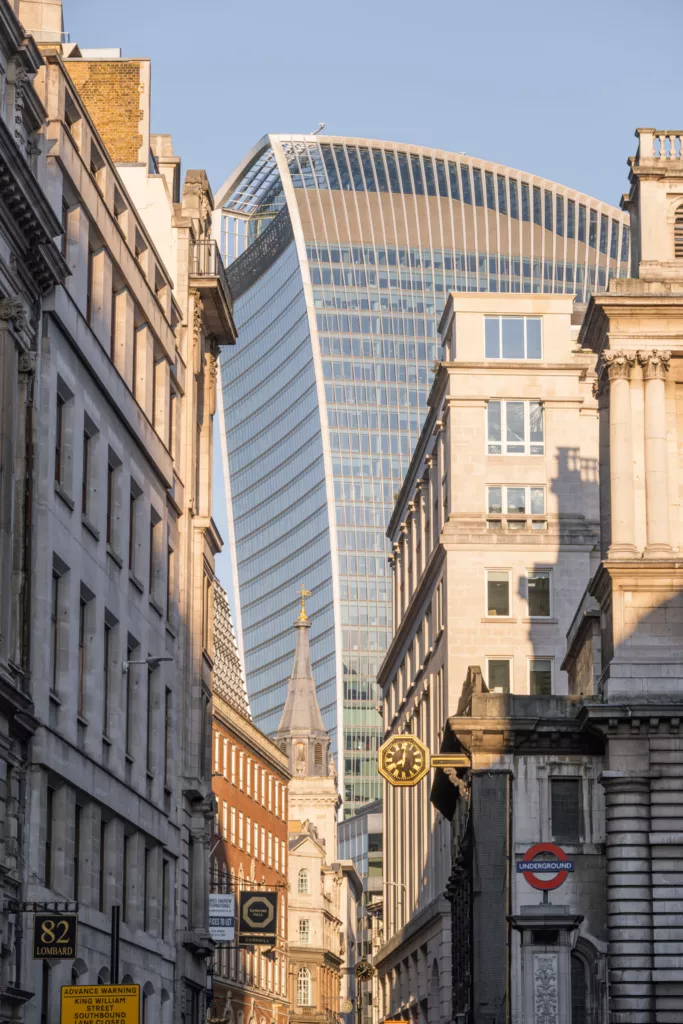
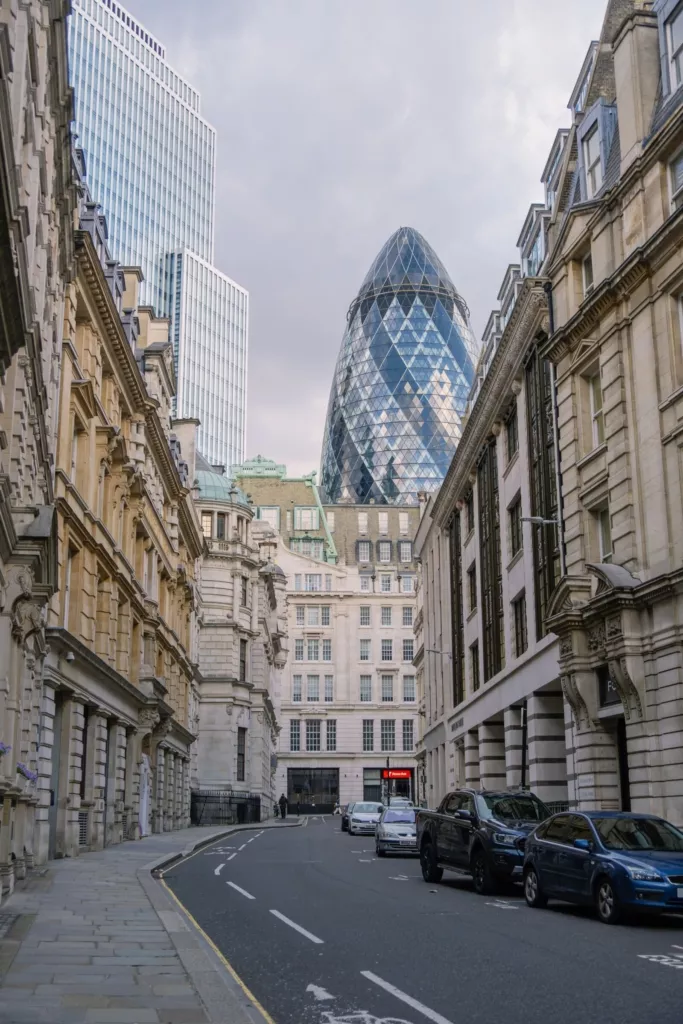
The City forged the capital’s greatest asset: its status as one of the world’s financial centers. As the empire’s main port, Europe’s largest commercial hub, and home to the London Stock Exchange and the Bank of England, money has always been the first thing people associate with the area, and the glitz of the glass skyscrapers only adds to its glamour and the billions in bank accounts. Today, this one-square-mile area generates up to 3% of the UK’s GDP and is home to one in five companies in the UK’s financial sector.
The city exists in two states throughout the week. On weekdays, the winding streets are teeming with half a million city dwellers who come here for work, and in the evenings, “white-collar workers” pack the sidewalks outside local pubs, celebrating the end of a hard day. On weekends, however, the “Golden Mile”—home to a mere ten thousand people—comes to a standstill. When the offices are locked up, only a handful of small shops and restaurants open to locals remain open within the City’s boundaries. But from the early hours of Monday, the City once again falls into the rhythm best described by ABBA: “Money, money, money—everything glitters in the world of the rich!”
- What to See
In addition to traditional sights like the Tower and St. Paul’s Cathedral, we recommend adding Horizon 22 to your itinerary—surrounded by the city’s skyscrapers, you simply can’t miss out on visiting London’s highest observation deck.
- Where to grab a bite to eat
Duck & Waffle, located on the 40th floor of 110 Bishopsgate, will appeal to lovers of haute cuisine (in every sense of the word). Sweetings, meanwhile, pays homage to London’s history as a port city: they’ve been serving seafood here for over a century.
You can read the first part of our comprehensive travel guide here. To be continued…