 Loading...
It is a strange thing, but the more you learn about the British monarchs of the twentieth century, the more you come to the conclusion that all of them did not want to become kings at all. How painful for them was the procedure of entry into power, how unhappy they felt at first, stepping over the threshold of the royal quarters of Buckingham Palace. Volumes of historical studies and memoirs have been written about it. I don’t want to repeat myself now. And everywhere the same motif literally screams from every page. No joy, not a single second of jubilation. There is only fear and despondent resignation to fate.
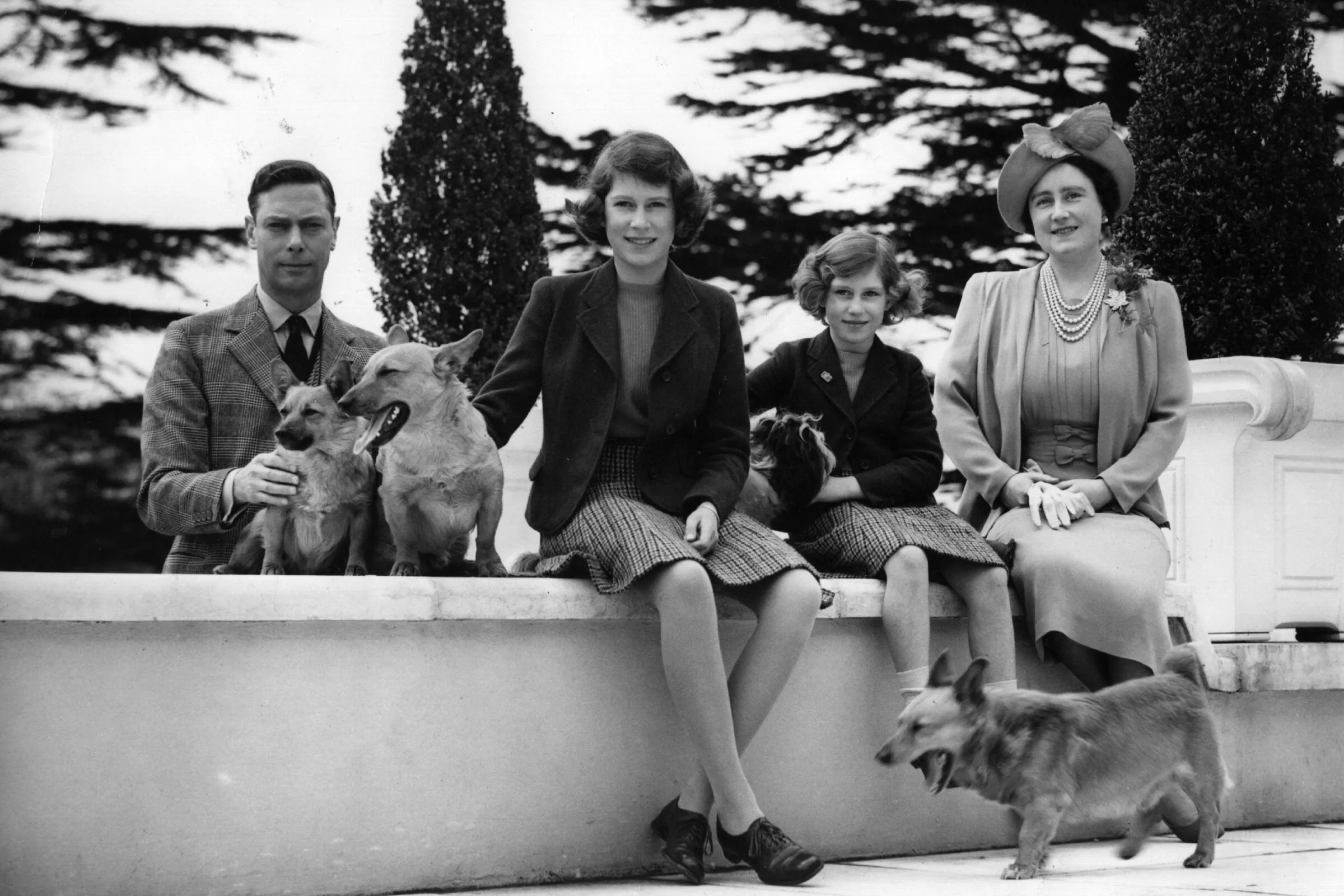
Neither Elizabeth’s uncle, who served as King Edward VIII for less than ten months, nor her father, a shy and nervous stutterer who sobbed when his brother gave up the throne, nor she herself – no one in the Windsor family wanted or sought royal power.
Modest, unremarkable people. All speeches on paper, all actions strictly within the protocol. Not a step to the left or the right. No “dangerous” defamatory liaisons or improper acquaintances. Never, ever! Confident handshakes, reserved smiles, the art of small talk, brought to a virtuoso skill. Zero emotion on his face, even when the dry crackle of tracer bullets sounds behind him. You have to be born with such equanimity. You cannot learn it or bring it up, but you can forge an impenetrable armor of courteous manners, polite, slightly ironic tone, knowledge of all the subtleties of palace etiquette. And one can never part with this armor again.
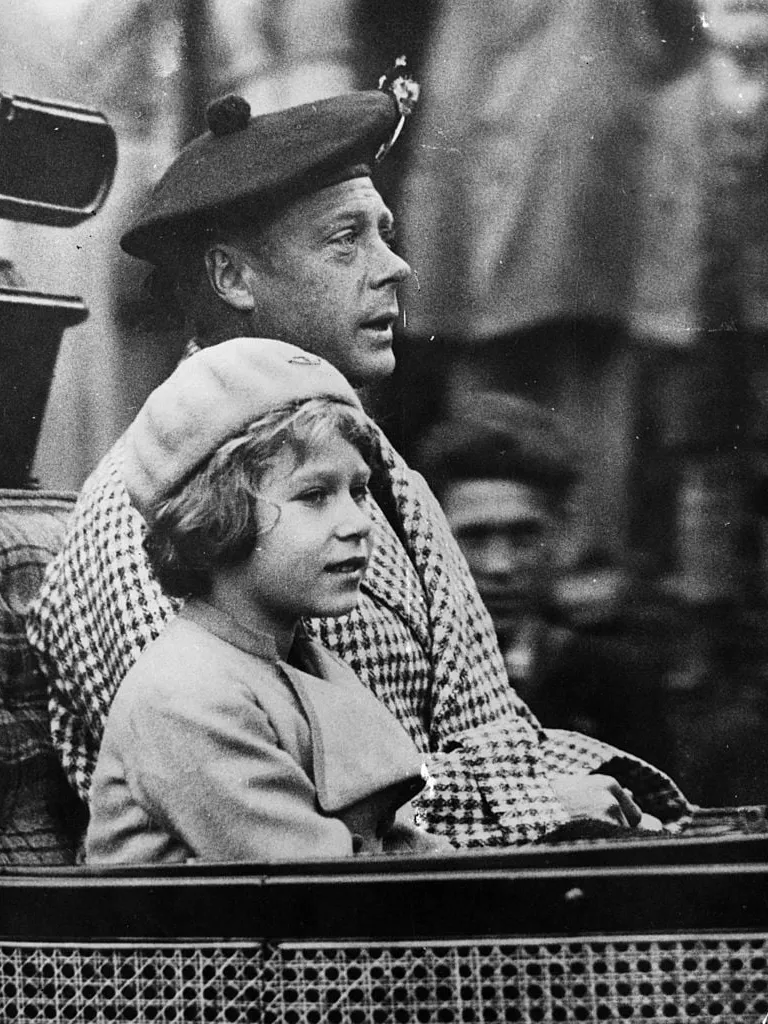
When King George VI died, Elizabeth was 25 years old. From the age of 11, she was declared heir to the throne. She realized her special status early on. Unlike her mother, who excelled in her lifelong role as queen, Elizabeth had nothing to play for. Chamberlain, a former prime minister, liked to recall how one weekend at Windsor he tried to butter up the then Duke of York’s eldest daughter. “How is the little lady?” he asked the little girl, who was concentrating on playing dolls.
And immediately got the answer: “I’m not a little lady, I’m Princess Elizabeth”. She was about five years old at the time. No more than that.
After a while she was led to him by the hand of her grandmother, Queen Mary, to apologize: “Mr. Chamberlain, this is Princess Elizabeth, who would like to apologize, as she has not given up hope of ever becoming a real lady.”
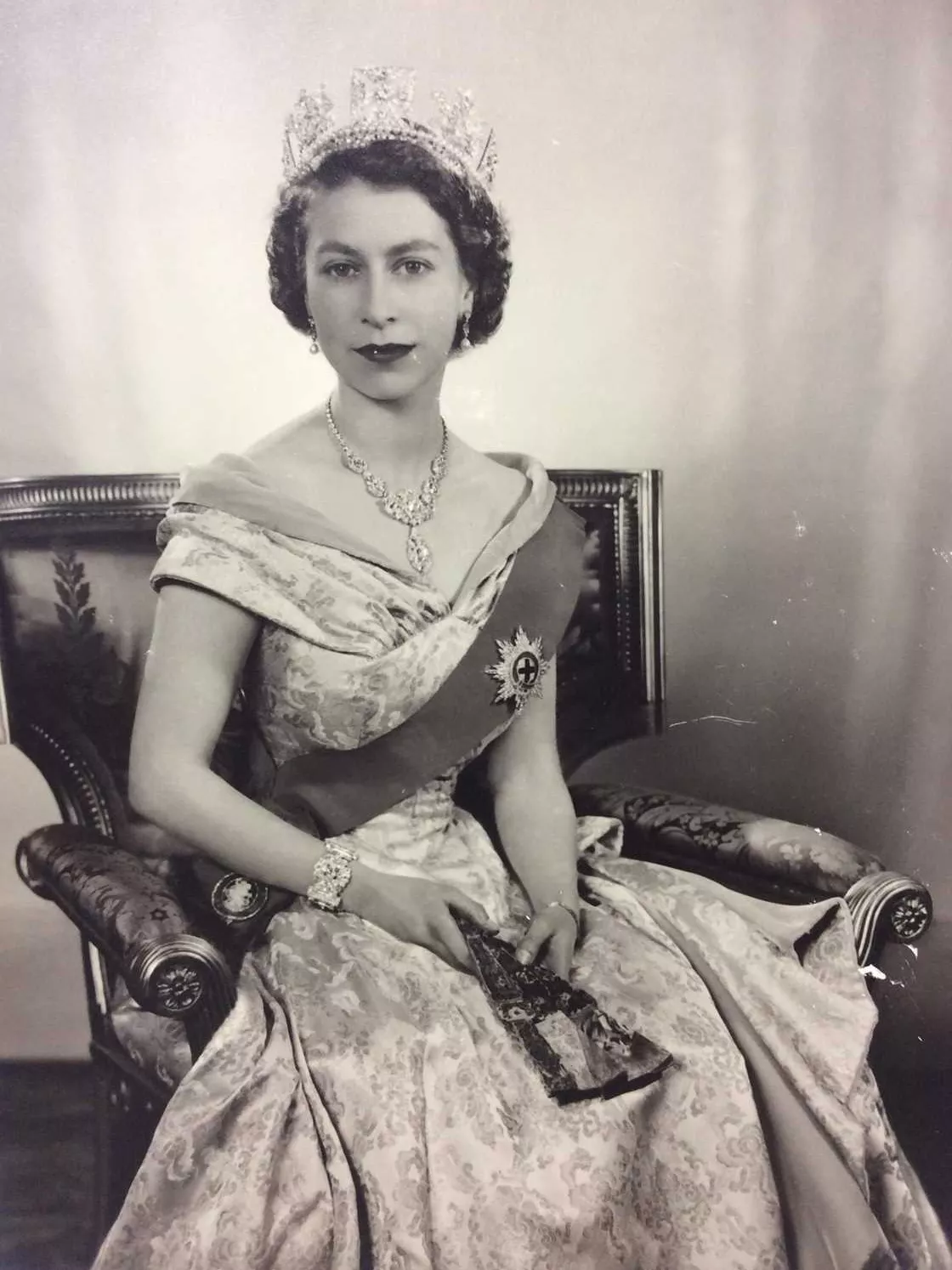
And even if Uncle David had been allowed to marry his American wife, Elizabeth still rightfully took the throne of the English kings. After all, Mrs. Simpson could have no children, and so Elizabeth would still be first in the line of succession.
Another thing is that all this could have happened much later. By the way, the queen was the first to take the initiative to restore relations with her disgraced uncle and his wife.
By her life role Elizabeth was a born peacemaker. She hated to find out about relationships. To the last, she always hoped that everything would somehow resolve itself without her involvement and angry words. The most unpleasant explanations she usually entrusted to her husband, Prince Philip, Duke of Edinburgh. But she decided to make peace with her uncle herself.
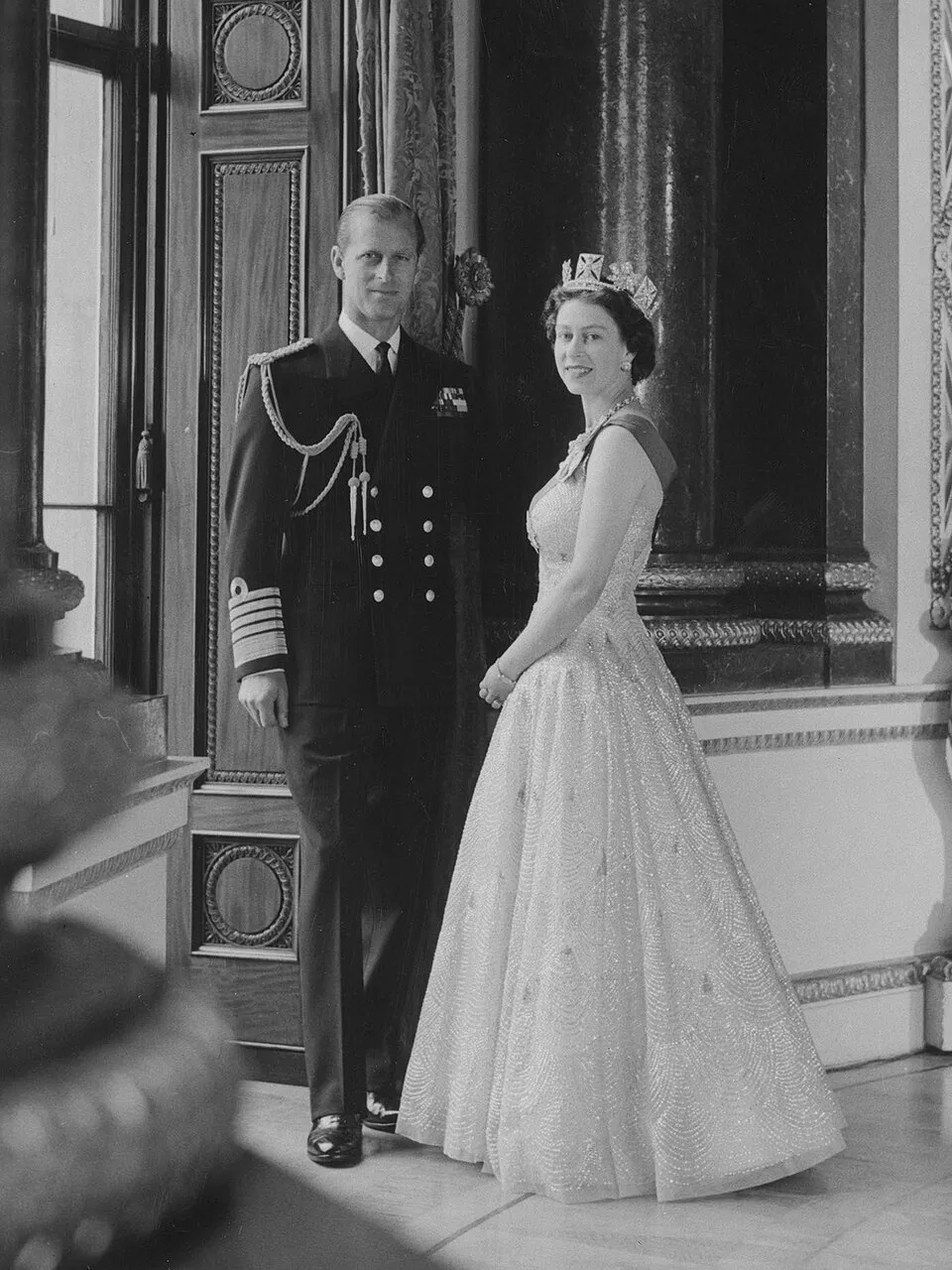
At a Sotheby’s auction in 1998, where the property of the Dukes of Windsor was offered for sale, the royal Christmas cards signed by Lilibet and Philip caught everyone’s attention. Only to very close people did the Queen sign Christmas greetings with her childhood name. Today, there are no more such people left.
And she loved Uncle David. He reminded her of her father. He laughed the same way, shyly covering his mouth with his hand, he didn’t like to pose for pictures, and he was an avid smoker. Old English Gentleman. Old school. But for all the affection Elizabeth felt for him, for her, as well as for the rest of her family, he remained a renegade and a traitor to the end of his days, who dealt a terrible blow to the prestige of the monarchy – he abdicated.
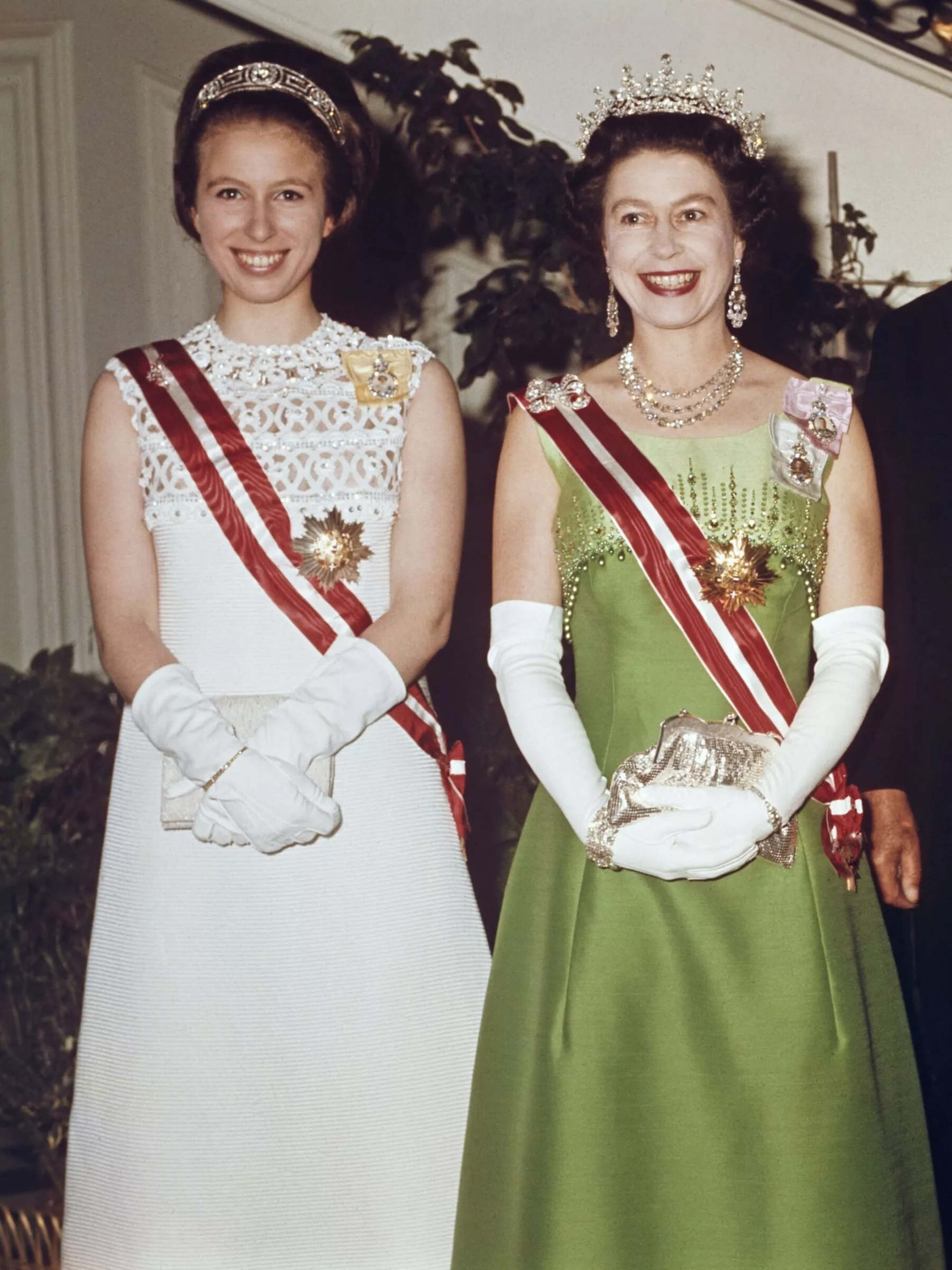
Almost all the family crises that the Queen will have to face during the 70 years of her reign had, in fact, the same psychological background: royal duty and palace routine were in insurmountable contradiction with the desire for ordinary human happiness, which is not alien to princes of the blood. So sooner or later they all find themselves faced with a Hamletian choice. To be or not to be? What to prefer: personal happiness or duty to the crown?
For Elizabeth herself the question was never so much a question. Her whole life, the whole history of her reign, is a soft-spoken sermon of stoicism. The myth of Sisyphus, translated into the language of royal protocol, is her myth, the myth of the military generation to which she and Prince Philip belonged.
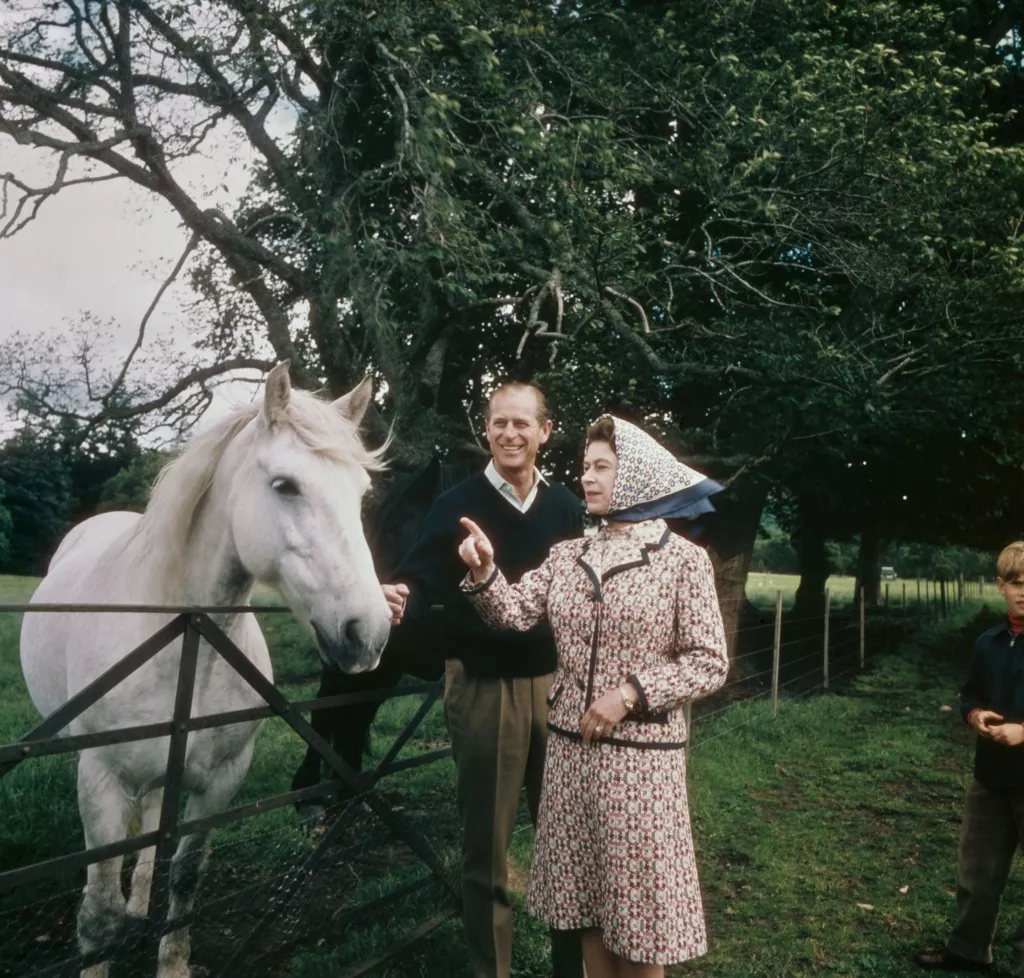
For both of them, war was not some artistic abstraction or abstract literary fiction. Philip, as an officer in the British Royal Navy, had been in combat. She had learned the profession of military transportation driver at the age of sixteen and held a military rank. Their best young years were spent near death. They were burned and at the same time hardened by war. That is why they knew so well the price of peaceful life. That is why they cherished it so much, and tried so hard to keep it in their own family and in the United Kingdom.
It seems to me that this is where the secret of their resilience, their loyalty to each other, and their record longevity should be found. Both of them, among other things, lived their lives for others, for those of their peers who did not return from the fields of World War II.
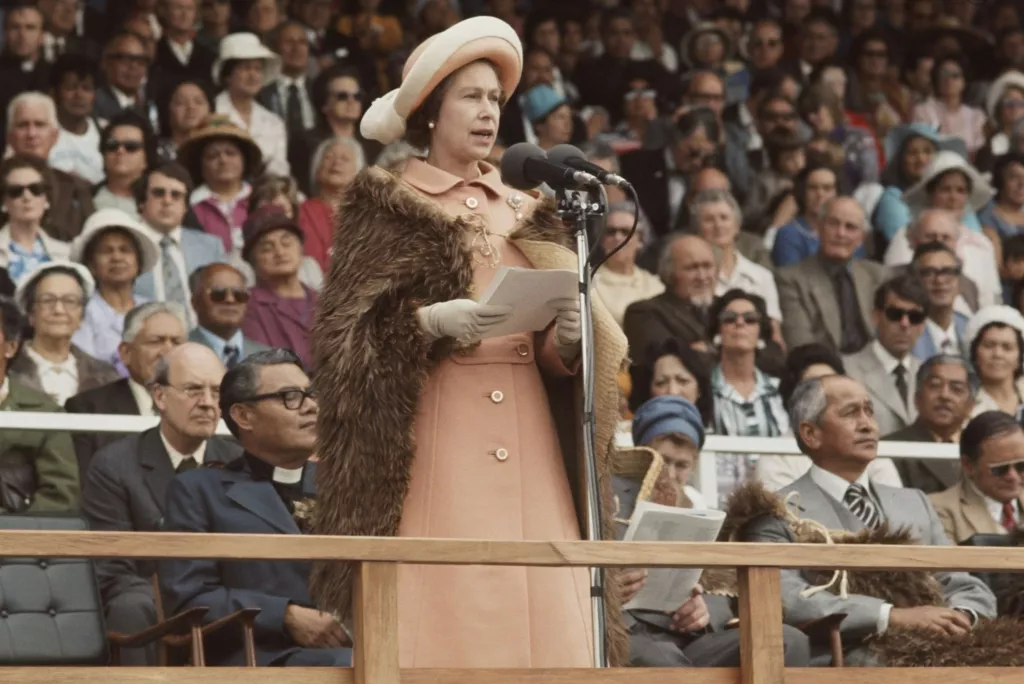
A queen alone amid a sea of white crosses at a fraternal cemetery in Normandy. The Queen at the Eternal Flame at the Piskarevsky Cemetery in St. Petersburg.
For her, these were not just protocol events, a tribute to memory and grief that a head of state is supposed to show from time to time. They were her silent but very personal messages to those who were in a hurry to forget. And even in her speech on the eve of the lockdown in the spring of 2020, she will quote her and Philippe’s favorite hymn from their wartime youth: “We’ll meet again.
An old lady in gloves and hat, she remained for the whole planet, especially in recent years, the main symbol of the great European civilization. Just think, the geopolitical situation in the world was in direct dependence on the state of health of a frail ninety-six-year-old woman who had no real power, except for one thing – the power of her own authority, age and grandiose state experience!
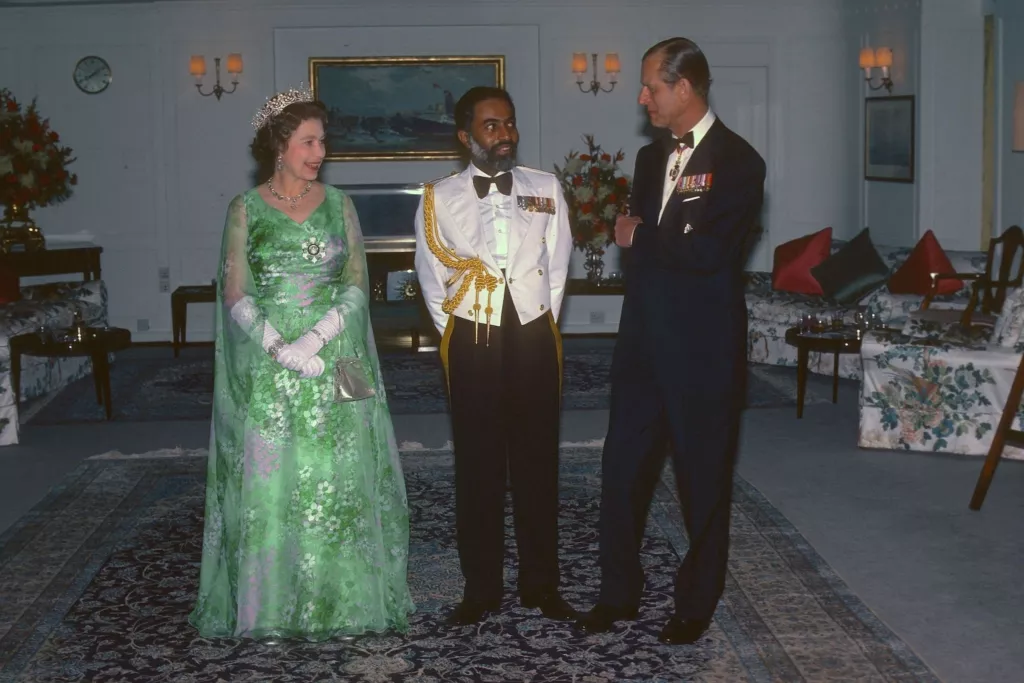
But the secret is that Elizabeth II’s power did not need bayonets, nuclear warheads, referendums or state subsidies. It was based only on unconditional reverence, longstanding affection and the most sincere love.
When the driver of a London cab looked out of the window to see if the royal standard was flying over Buckingham Palace, and then with the words, “She’s at home!” – “She’s home!” and then, with the words, “She’s home!” speeding up, there was more to it than mere loyalty.
It’s like calling your parents in the midst of endless chores and worries.
It’s like a handwritten letter that arrives in the mail with a stamped royal stamp on the envelope.
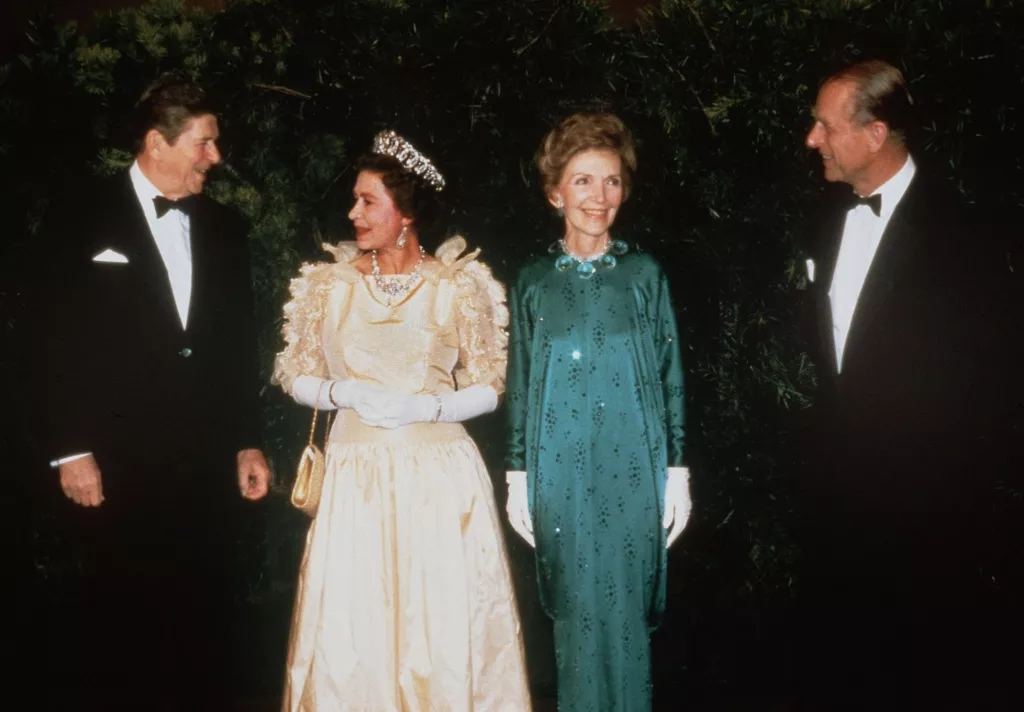
It is an unbreakable link with the past and with the most vivid memories left behind for a lifetime. “I remember the rain at her coronation”… “I once saw her riding in a carriage to open a session of Parliament”… “I shall never forget the fireworks over Buckingham Palace on her Diamond Jubilee”…..
And I will always remember the Queen’s first and last state visit to the Russian Federation in October 1994. Those autumnal, clear, cool days in Moscow. With blue skies to match the color of her eyes, looking at the deserted Red Square with restrained bewilderment. Where is everyone? The Kremlin security services did their best: no outsiders. Not just a person, an autumn fly would not fly by!
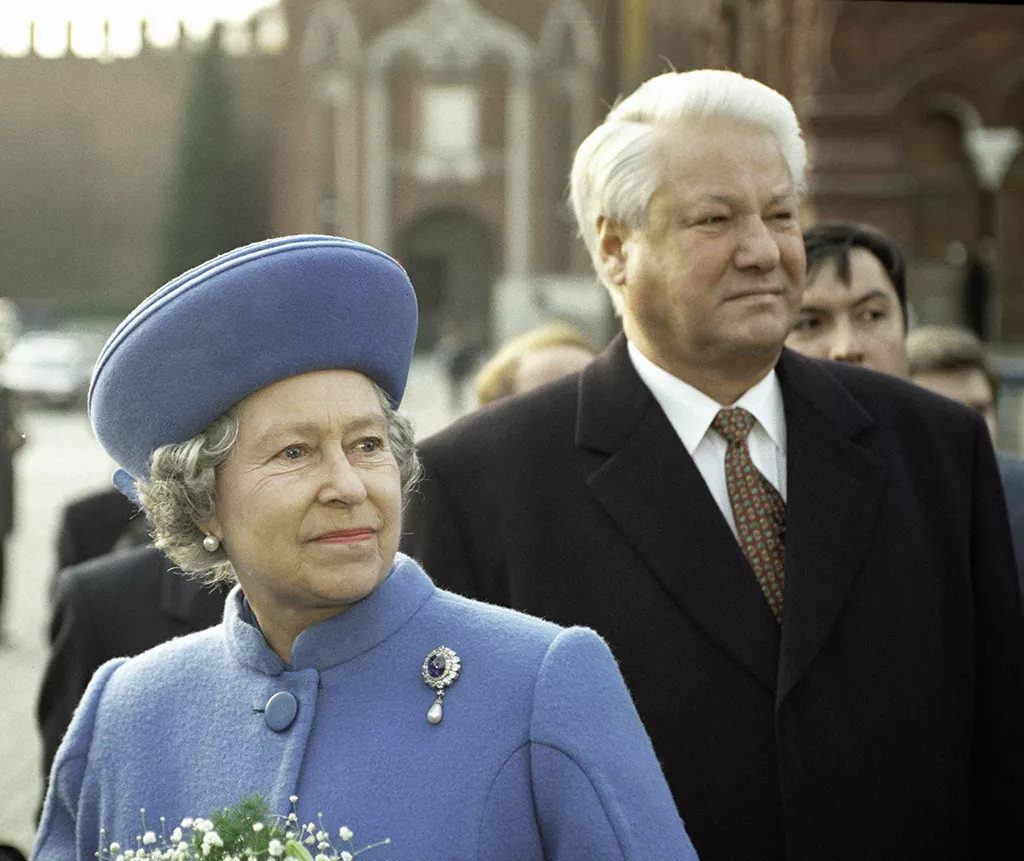
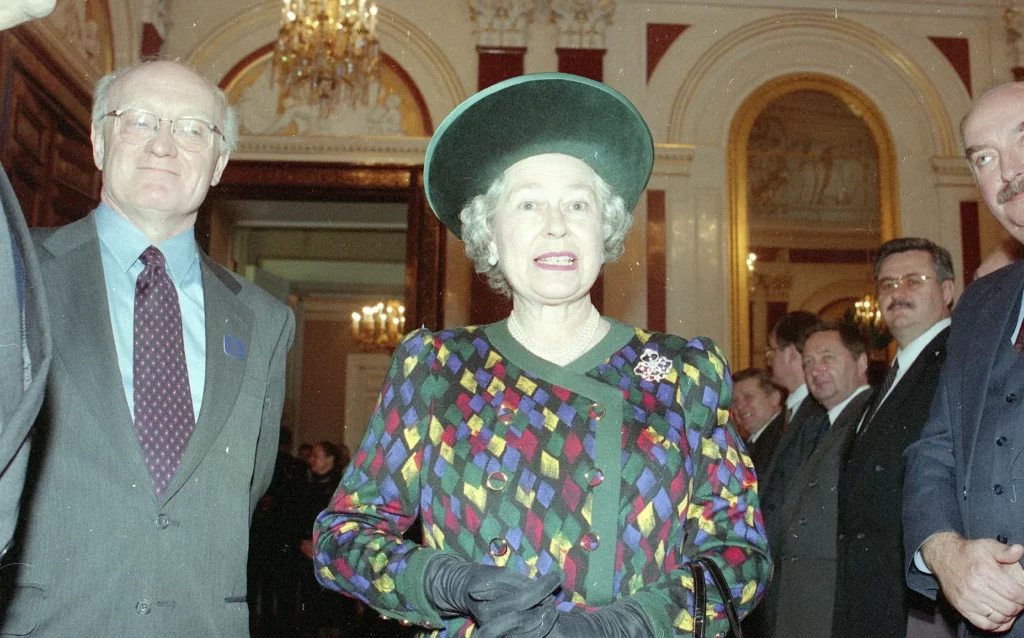
The queen did not hide her disappointment. She is here to be seen by people, not to listen to a lecture about St. Basil’s Cathedral. I don’t know how Luzhkov got out of it then. And then there was a reception at the Faceted Chamber, when for the first time in the history of free Russia, the invitation card included a mysterious black tie. And all the superiors were knocked down in search of tuxedos, black satin butterflies, lacquered shoes and silk belts. All this obligatory socializing equipment wasn’t available in fancy stores back then. There were no fancy stores, either.
With her presence, the Queen set an unattainable level for Russian state bosses and the business elite, who for the first time tried on the big royal style. True, the effect was laughable at times. Nikolai Vasilyevich Gogol would have been amused to see this mix of outfits, tense faces, sweaty bald spots… But the Queen kept regal equanimity. She had watched the ritual dances of the Maasai tribes during her visit to Kenya with about the same expression on her face. And only once she almost wept, when in the Bolshoi Theater before the start of the performance she was given a standing ovation. And it was obvious that she did not expect such “long and continuous”, such passionate and loving applause. And then I clapped with everyone, and the next day I stood in a long line at the Tretyakov Gallery, rehearsing to myself the memorized phrase: “It’s such a great honor, Your Majesty”. But I was thwarted by an adjutant who mistook my surname for my patronymic, and confused the name of the magazine where I was then serving with my surname. The result was something unimaginable: “Sergey Nikolaevich DOMOVOY”. However, at that moment I was not up to refutations. I had to meekly accept it. The Queen smiled kindly and gave me her hand. And at the same instant I was intercepted by the Duke. “What is your circulation?” he asked, drilling me with stern gray eyes from beneath his bushy eyebrows. (“Lord, why does he need our circulation!”). I said some figure from the ceiling, and the ducal hand immediately loosened and released my arm.
And then there was St. Petersburg. Griffel gray, frowning and stern, as it is in the autumn days before the flood. The royal yacht docked at the English Embankment at the exact spot where the cruiser Aurora stood in 1917, and where the historic shots that ended democracy in Russia were fired. The Queen could read about it on a marble plaque nailed here to the granite parapet. But she didn’t know Cyrillic. And many of the details of her grandfather George V’s shameful refusal to grant asylum to his deposed cousin and his family had not yet been made public.
A dutiful flock of courtiers, journalists and guards followed her around the Winter Palace and the Peter and Paul Fortress. Somewhere ahead loomed her green velvet hat, the same one in which she had declared 1992 “annus horribilis” in a chilled voice. Today, this hat sits alongside other hats of various colors and styles in a landmark exhibition at King’s Gallery.
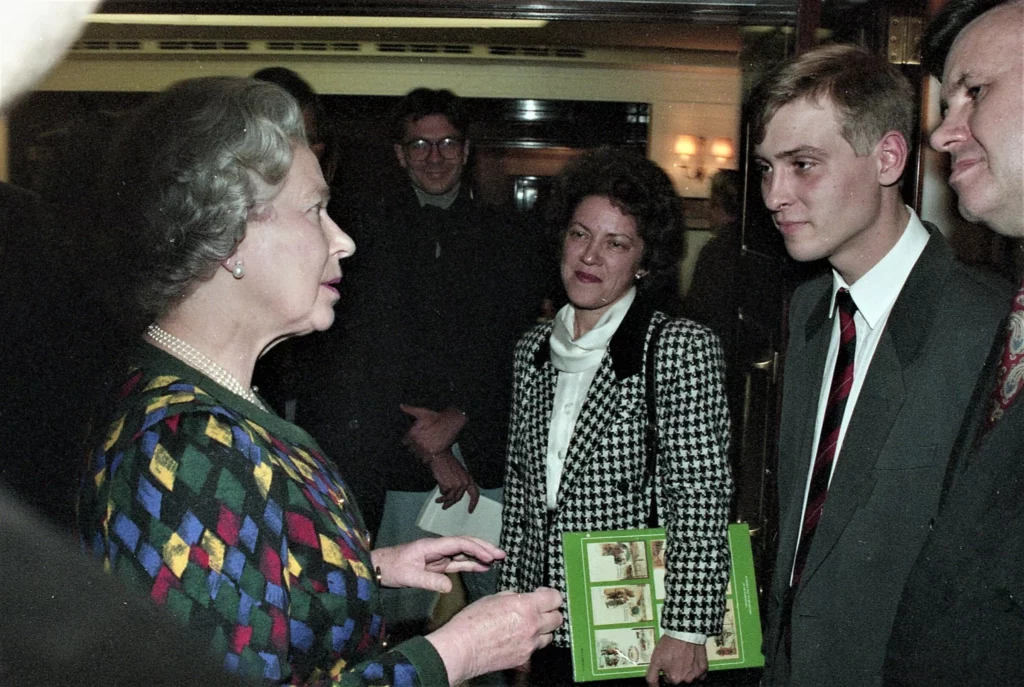
I saw her again on the yacht Britannia, where journalists were specially brought. The Queen returned early, and the tour was quickly cut short. However, I managed to see the modest interiors of business class, white summer furniture, Prince Charles’ watercolors in ordinary metal frames from M&S and family photos placed here and there without any ranking. Just a memento of happy days. After all, they were once on Britannia!
The salon was lined with Russian fellows of the British Council who had come to greet the Queen and briefly report on their progress. Without a hat, she looked somehow cozy and homely and quite accessible. And from the outside it was like a meeting of Olympiad winners with their favorite teacher or head teacher of the school. That is, the distance was kept, but the atmosphere was informal and quite friendly.
I still have a photo, which was taken by my friend, the photographer of “Ogonyok” Yuri Feklistov, where I am looming in the semi-darkness, while Elizaveta is talking about something with the scholarship recipients.
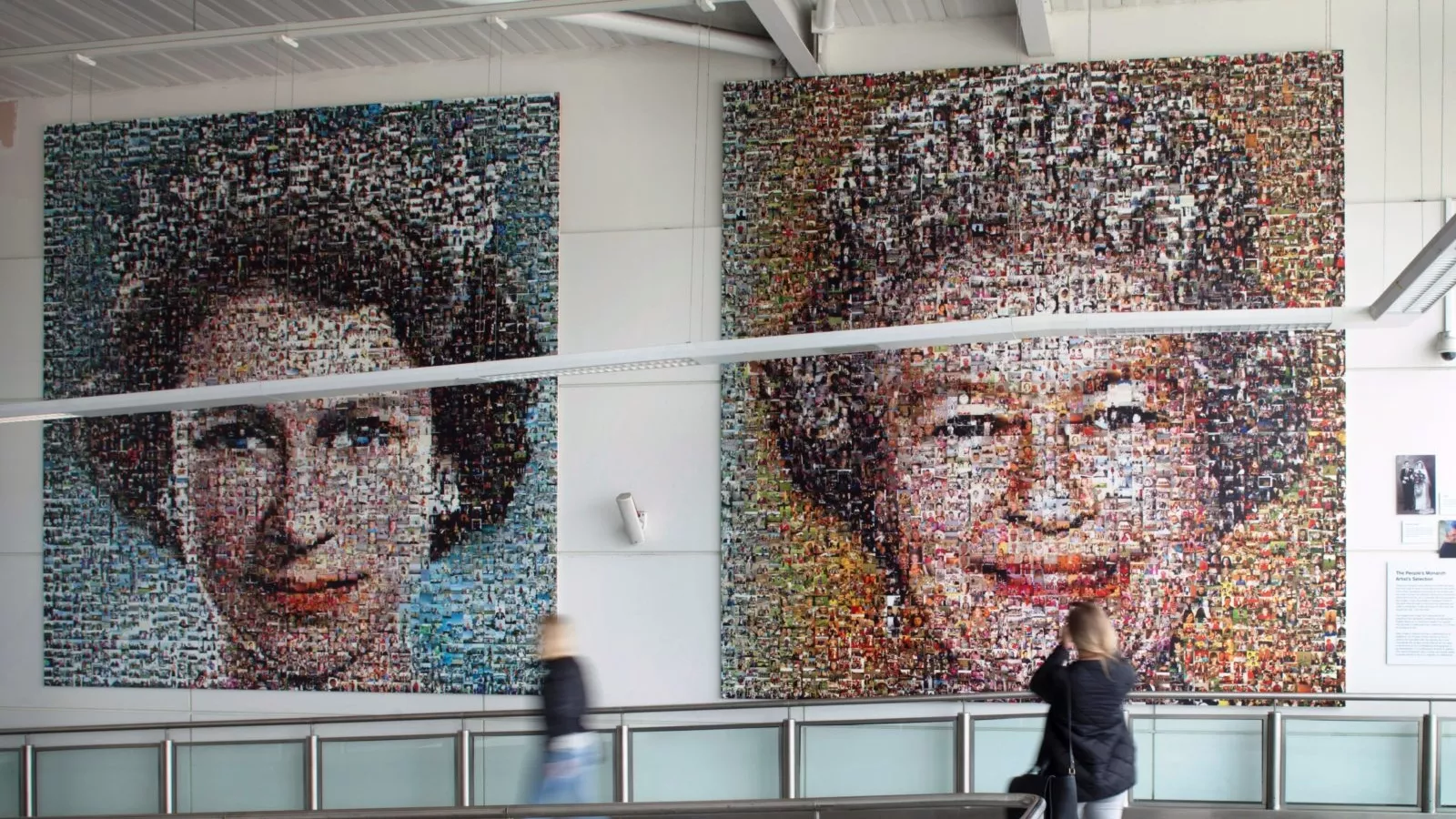
From the mosaic of these very different memories one could today make a huge mosaic portrait, like the two that hang on the wall of Gatwick Airport. If you look closer, you will see someone else’s unknown face; if you move farther away, you will see the familiar face of the Queen. In youth and old age. She smiles at us when we arrive, she stares back at us when we leave her kingdom. She’s always with us somewhere far away and somewhere very close. We’ll meet again…