 Loading...
On September 2, the island of Lido will turn into a bustling hive of activity for ten days, serving as the venue for the upcoming 83rd Venice Film Festival. On Thursday, festival director Alberto Barbera announced the program—though not yet in its entirety; the lists of competitors in the various sections will be updated further.
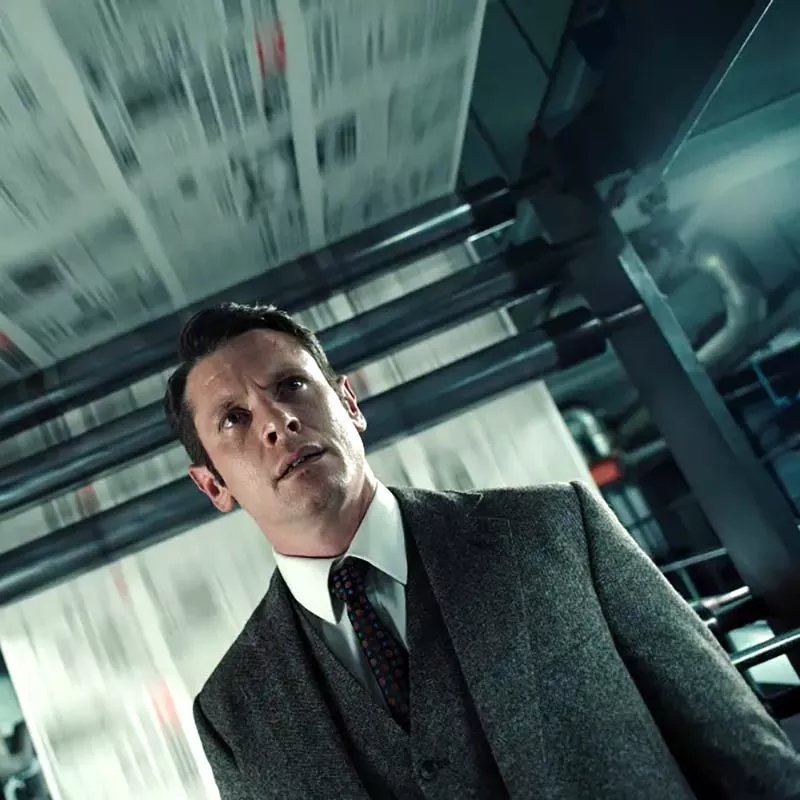
The festival will open with Danny Boyle’s competition entry, *Ink*. Set in the 1960s, the film stars Guy Pearce as the main character, media mogul Rupert Murdoch. Jack O’Connell will appear as Larry Lamb, editor-in-chief of the British tabloid *The Sun*, which is owned by Murdoch. One of the most influential and versatile British directors, best known for films such as *Slumdog Millionaire*, *Trainspotting*, *127 Hours*, and *Hell*, Danny Boyle tells the story of how a young Murdoch acquired The Sun and soon transformed the image of British journalism as a whole.
Giovanni Veronesi’s *God Laughs* has been announced as the closing film. Veronesi is a director well-known in Italy but not particularly well-known beyond its borders. Set in the 17th century, the film’s protagonist, the monk Leopoldo da Casamaccia, sees God in his own way—he is convinced that God is approachable and has a sense of humor. As a result, Leopoldo’s sermons are straightforward, easy to understand, and often funny. But the Inquisition is not prepared to accept this vision of the Creator and launches an investigation—not into God, of course, but into the monk…
First things first—the “Russian connection.” It’s there, but Venice won’t be seeing any films from Russia this year, not even those made with foreign funding (such as Sokurov’s films). Instead—and quite unexpectedly—it will see another installment of Ilya Khrzhanovsky’s controversial “Dau.” This time, the filmmakers assure us that there will be significantly fewer provocations and shock tactics than in the previous parts of the project.
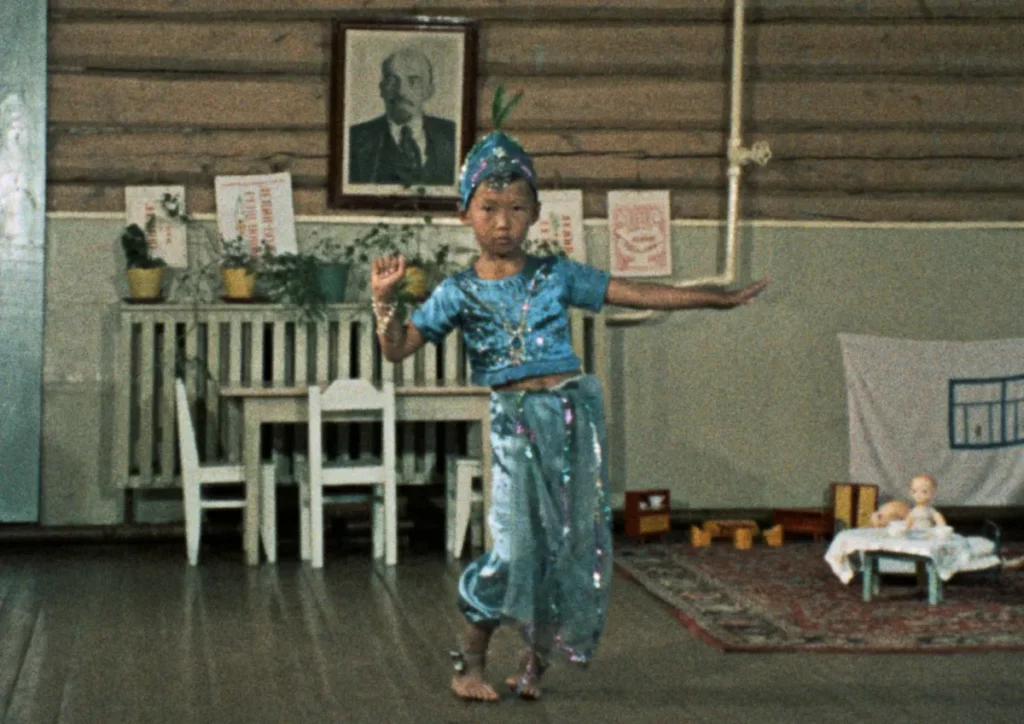
A longtime participant in the Venice Film Festival (and beyond), former Kyiv resident Sergei Loznitsa will bring his new documentary, *Imperium*, to the Lido. The title itself makes it clear what the film is about, given Loznitsa’s fierce opposition to both the Soviet Union and modern-day Russia. In *Imperium*, the director has compiled archival footage from the 1970s, shot by Italian filmmakers who explored one-sixth of the world’s landmass. The “extraordinary adventures of the Italians” in the USSR and their impressions were so vast that Loznitsa’s work in selecting and editing the material can be considered a feat in its own right.
Italian filmmakers combed through the entire Soviet Union—from Red Square to the Central Asian auls, from the Caucasian villages to the remotest corners of the Far East— — and attempted to show how the USSR’s imperial policies sought to standardize the country’s cultural diversity, crushing with a heavy boot the remnants of national traditions and the national consciousness that still smoldered in some places. As always with Loznitsa—no voice-over, no music—just the images. This has recently become Loznitsa’s signature style; he initially made the transition from documentary to fiction film, but then partially returned to documentary—albeit now as an editor of archival footage. True, the question of whether a film composed exclusively of other people’s newsreel footage can be considered an original work of art remains unresolved.
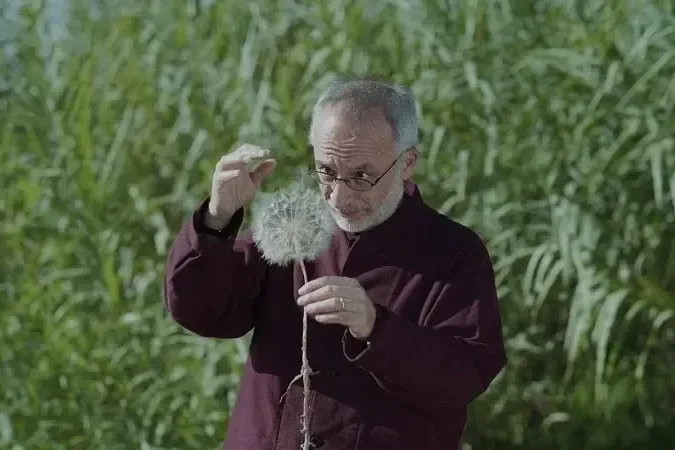
Viktor Kosakovsky has long made observation a hallmark of his style; this year, he will bring his film *Holy Wood Dust* to Venice—a title that could loosely be translated as “Sacred Wood Dust” (or “sawdust” instead of “wood dust”). Kosakovsky is one of the most consistent directors in his vision and approach, exploring the relationship between humans and everything they come into contact with. This could be water, as in *Aquarella*, or stone, as in *Architekton*, or living creatures raised by humans to be killed, as in *Gunda*. In “Holy Wood Dust,” Kosakovsky invites the viewer to join him in observing how yet another living organism—the forest—is transformed into dead dust at the hands of humans.
Of the films with a “Russian connection,” only Khrzhanovsky’s film made it into the main competition; the rest were included in non-competitive programs.
There will be no shortage of big names in Venice this time around. At the same time, it’s immediately apparent that this year’s festival has decided to distance itself somewhat from Hollywood, for which it has repeatedly been criticized for showing excessive deference. And indeed—in recent years, the oldest festival, once considered the most prestigious for auteur cinema and its minimal reliance on movie stars, has consistently produced future Oscar winners or, at the very least, nominees. These include Lanthimos’s *The Misery*, his *The Lobster*, Brady Corbet’s *The Brutalist*, Guillermo del Toro’s *The Shape of Water*, and *Dune* by Denis Villeneuve, his *Arrival*, *La La Land* by Damien Chazelle, Todd Phillips’ *Joker*, and Martin McDonagh’s *Three Billboards Outside Ebbing, Missouri*… All of these are, to varying degrees, mainstream films, although Venice art-house films have also made it onto the Oscar shortlists—for example, McDonagh’s *The Banshees of Inisherin* and Chloe Zhao’s *Nomadland*.
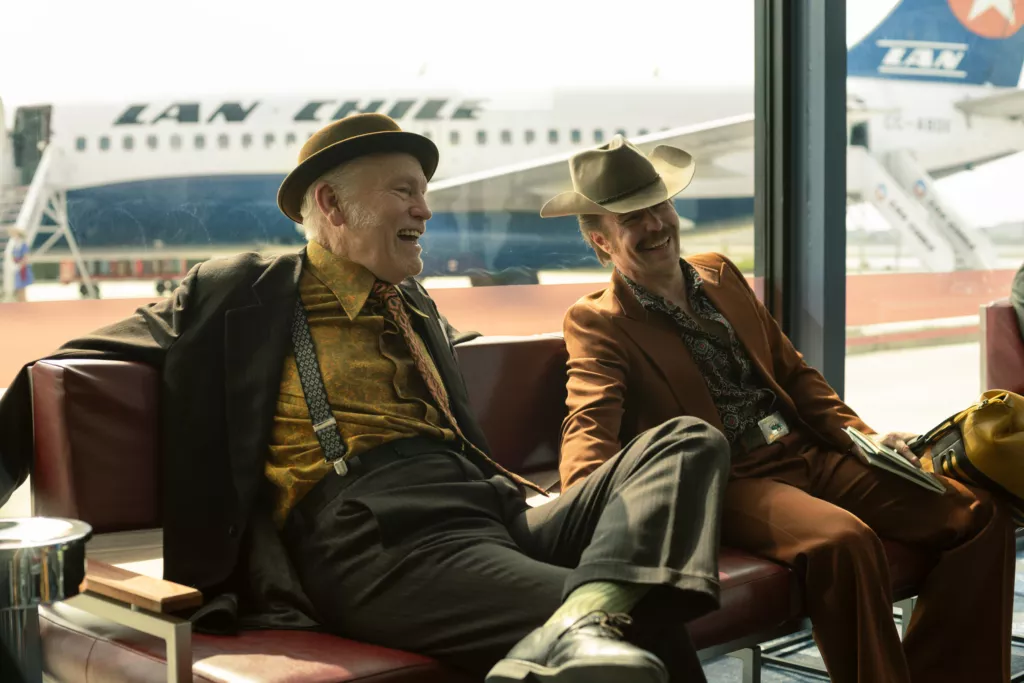
Nevertheless, this year’s red carpet will be packed with VIPs. After a brief hiatus, Martin McDonagh will be bringing his latest film, *Wild Horse Nine*, which will be presented by John Malkovich, Sam Rockwell, and Steve Buscemi.
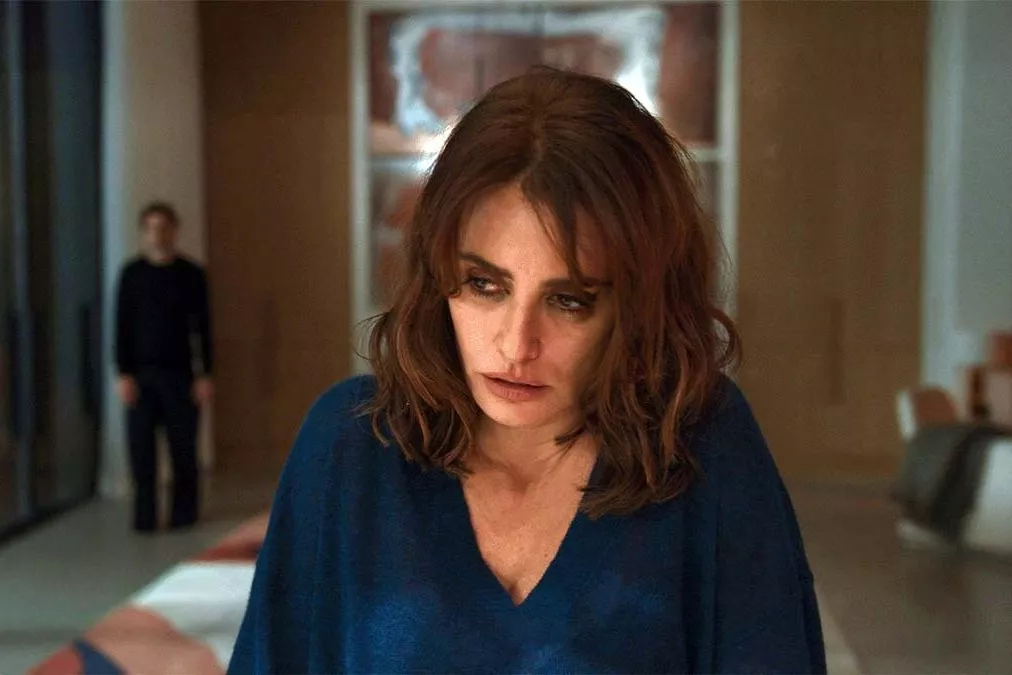
Florian Zeller’s thriller *The Bunker* will draw a crowd in front of the Palazzo very early in the morning, as people gather to catch a glimpse of Penélope Cruz, Javier Bardem, and Paul Dano. Zeller is no stranger to the Lido with his “family trilogy”—his film *The Son* competed in the Venice Film Festival four years ago and was nominated for an Oscar, though it didn’t win. In *The Bunker*, the main character, an architect, agrees to build a bunker for a billionaire, but this only adds to the complications in his life. And hundreds of young women will flock to the Palazzo when Robert Pattinson arrives—he plays the lead role in the film by Lance Oppenheim (a well-known documentary filmmaker who has decided to try his hand at narrative cinema) *Prime Time*, about a journalist who, using a hidden camera, begins an investigation into men who engage in intimate relationships with minors. Where is the line between the need to expose sex crimes and an invasion of privacy? Maybe we’ll finally find out.
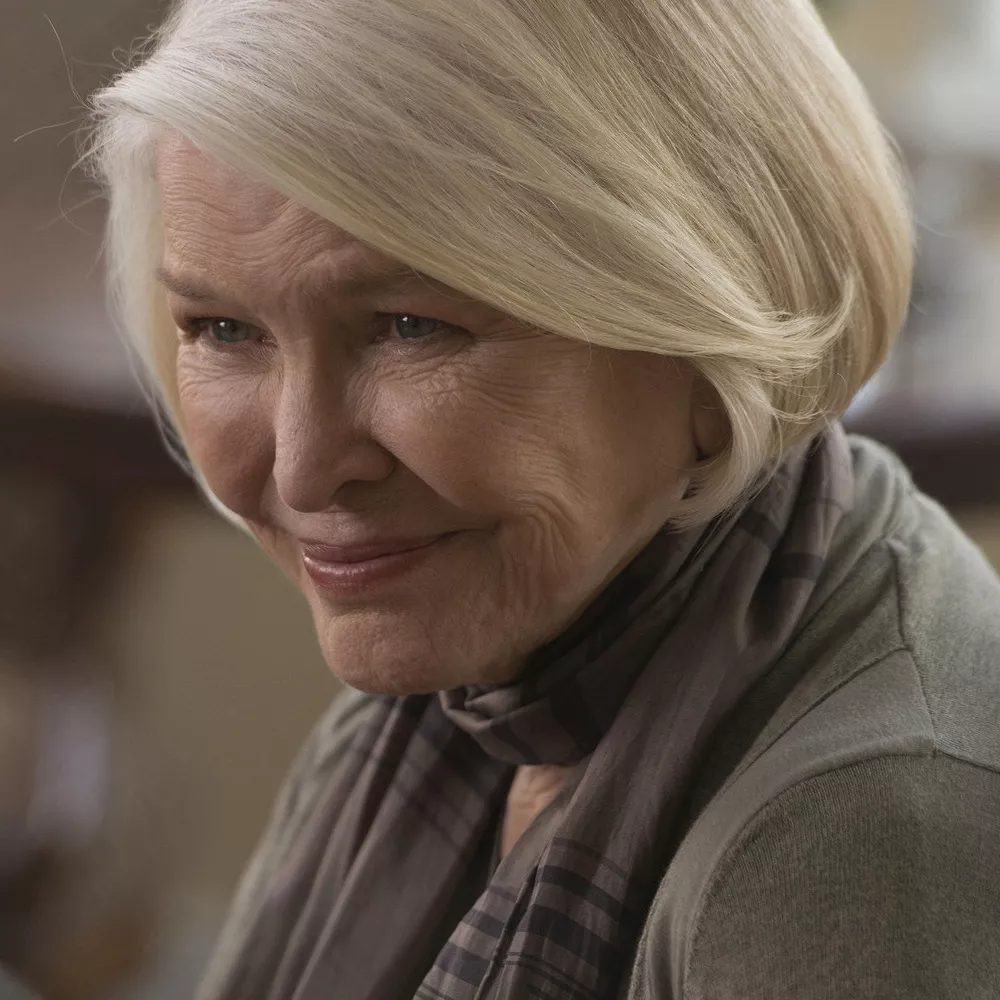
The appearance of everyone’s favorite, George Clooney, is sure to cause a stir; he will receive the honorary Golden Lion “For Contribution to Cinema” alongside 93-year-old Ellen Burstyn.
A veteran of Italian cinema and one of Italy’s most famous directors, Nanni Moretti has, for some inexplicable reason, not been to Venice since 1989. Back then, while still young, he submitted the film *The Red Dove* to the competition, and now, 37 years later, he’s returning with *It Will Happen Tonight*, starring Louis Garrel (Garrel again!) in the lead role.
Two films from Japan: Hirokazu Kore-eda’s *Look Back*—as usual, delves into family relationships. In his new film, *Did You Kill Anyone, Mr. Nelson?*, Shinji Tsukamoto traces the life of an African American who served in the Vietnam War. Among Asian films, the most anticipated is “Possible Love” by Lee Chang-dong, one of Korea’s most prominent directors and a master of quiet, charming cinema, in which the “little man” tries, through his small deeds, to stand up to the big world with all its abominations. Casey Affleck, who was once referred to as “the brother of that Affleck” and who has perhaps proven to be a stronger actor than his brother, has decided to make his directorial debut and is heading to the Venice Film Festival with the film *The Company*, a gothic horror film starring Nick Nolte in the lead role.

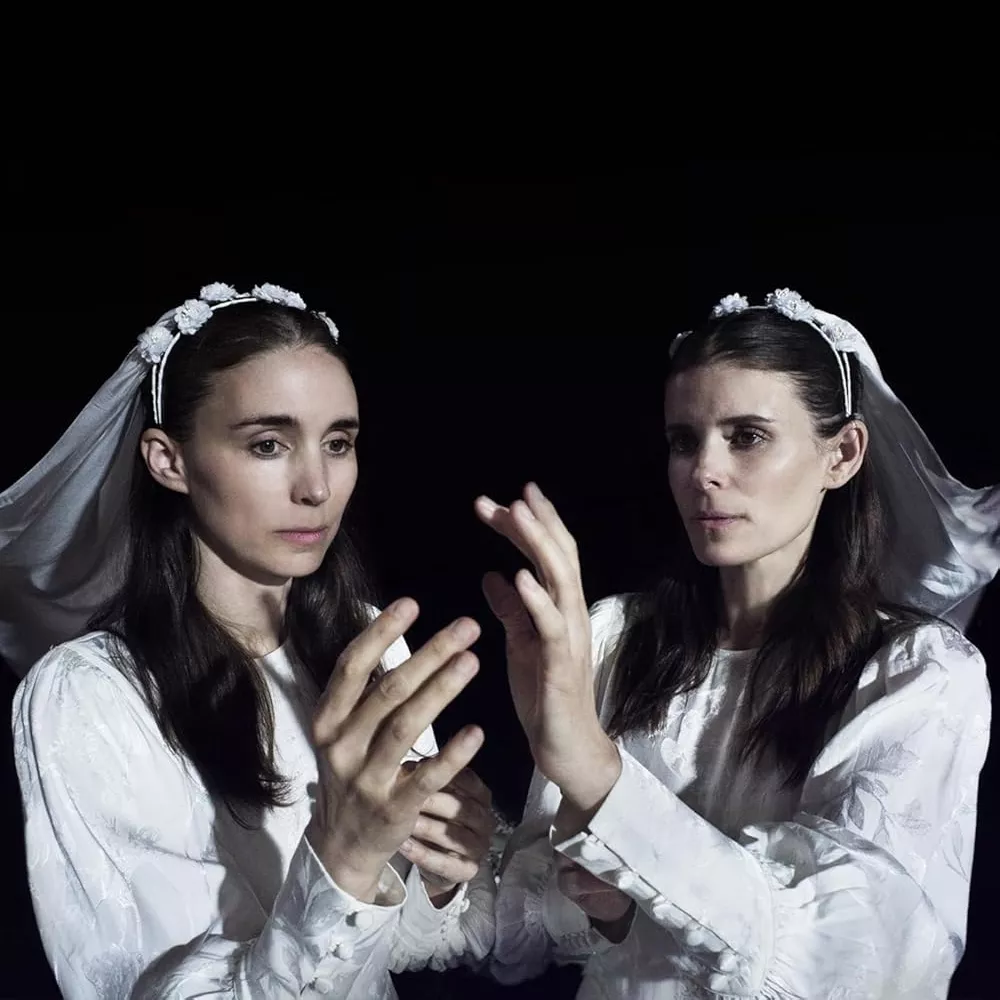
Werner Herzog and Wim Wenders are expected to join the ranks of veteran filmmakers at the Lido. After a long hiatus, Herzog is returning to feature films—his competition entry, *Bucking Fastards*, tells the true story of two twins, played by Rooney Mara and her sister Kate Mara. Wenders, on the other hand, is returning to documentary filmmaking after the enchanting *Perfect Days* with a film about Swiss architect Peter Zumthor.
When you watch old movies, you find yourself thinking, “How did they manage to make films no longer than an hour and a half and still say everything they wanted to?” Today’s directors stretch out the audience’s—and their own—enjoyment over many hours. Of course, record-breakers like Peter Watkins’ *The Journey* (873 minutes) or Lav Diaz’s *The Evolution of a Filipino Family* (625 minutes) are rare, but this year, the Venice audience won’t be spared such an ordeal—Luca Guadagnino has made a seven-hour film titled *The Joy of Life* about Bernardo Bertolucci, his favorite director! Thirteen years ago, he had already made Bertolucci the protagonist of the documentary *Bertolucci on Bertolucci*, in which the great Bernardo spoke about himself. The new film is a lengthy essay in which the director attempts to present Bertolucci’s life and personality as a kind of sacred space.
What stands out when looking at the program for this year’s Venice Film Festival is the near-total absence of the notorious “agenda.” The theme of the war in the Middle East is certainly present (where isn’t it these days?), but it is delicately balanced between films by Israeli and Palestinian directors. The Israeli perspective will be represented by Amos Gitai’s documentary *The Road to Jericho* and Avi Mograbi’s *Wild Asparagus*. The Palestinian perspective on the Arab-Israeli conflict is represented by *Dialogue with the Sea* by Muayad Alayan, which tells the story of a 60-year-old Palestinian man trying to uncover the truth about his son, who was killed in a confrontation with IDF soldiers, and the film *Citizen Osama* by Ahmed Hasoun, which tells the story of a photographer from Gaza documenting the war. Some will welcome this stance by the festival’s organizers, while others will be outraged. It is certain that protests from both sides will be seen before the screenings of all these films.
Furthermore, it’s immediately apparent that Venice has not made any gestures toward women this year—there is only one film directed by a woman in the competition program: *The Unknown Woman* by Danish-Egyptian director May El-Touhi. As a reminder, last year nearly a third of the directors in competition were women.
The competition will be judged by an international jury headed by American director Maggie Gyllenhaal. She will be joined by Tunisian director and screenwriter Kauter Ben Hania, British Oscar-winning director Daniel Blumberg, Italian film scholar Francesco Casetti, French director Xavier Jonollie, Afghan director Shahrbano Sadat, and Hong Kong crime film legend Johnny To.